Taxpayers on the Hook? The Coming Renewable Decommissioning Debt
When an oil well runs dry, or a nuclear plant reaches the end of its life, or a coal mine closes, there are rules for what comes next. For decades, these industries have been required by law to clean up their sites and restore the land having set aside money in advance to make sure taxpayers aren’t left with the bill.
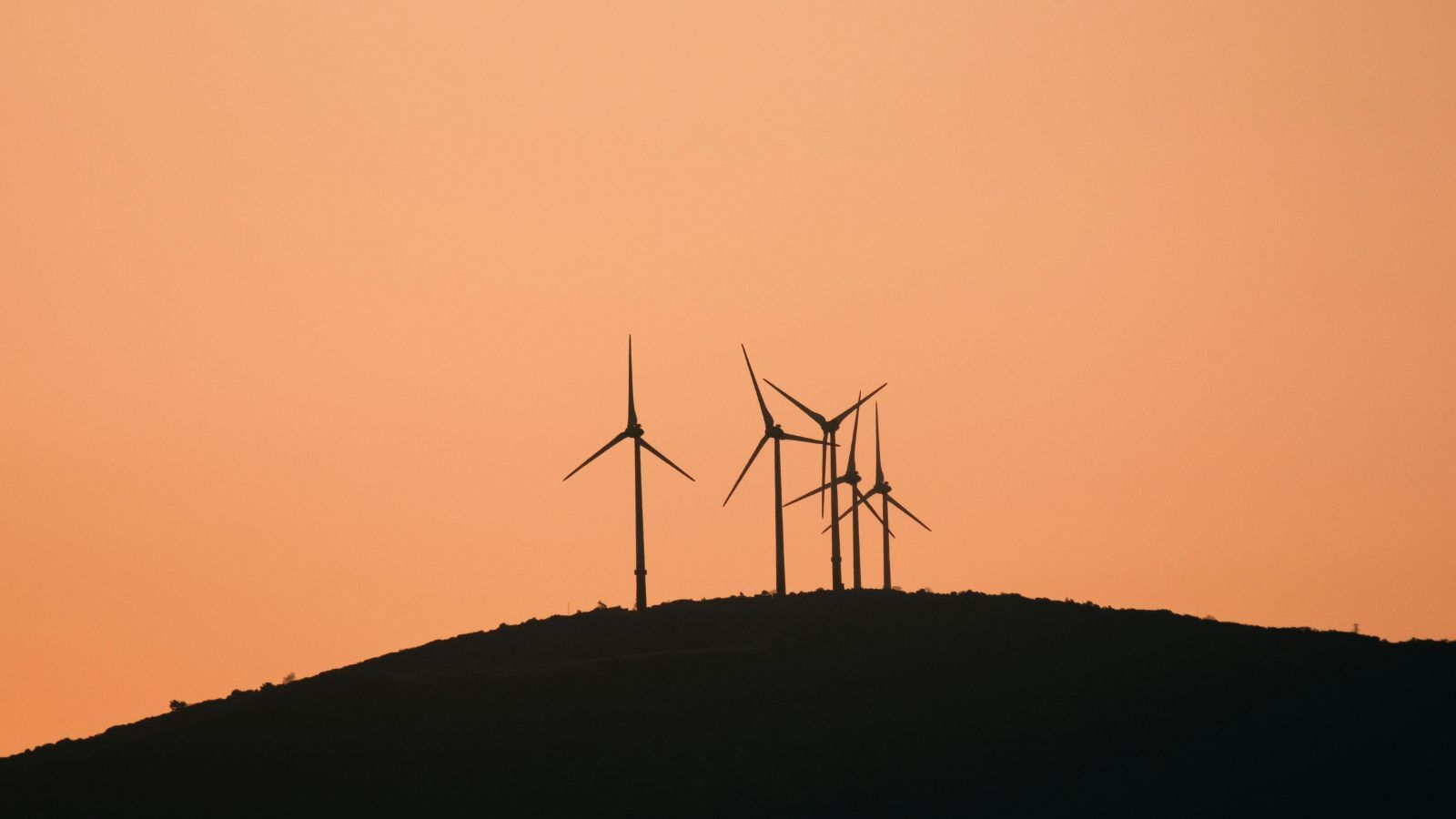
Now that wind and solar energy have matured into industrial-scale operations—with hundreds of thousands of acres covered with hardware that will eventually wear out and become trash—it’s fair to ask: will the owners be held to the same standards?
To find out, the National Center for Energy Analytics asked Curtis Schube, executive director of the Council to Modernize Governance, to examine the rules in every U.S. state regarding the decommissioning of wind and solar facilities. He compared what he fond with the rules for oil and gas well closures and gave each state’s rules a grade, from A to F.
The results were sobering.
- Oil and Gas: 40 states have active drilling. Three-quarters earned an A or B for their decommissioning rules; two-thirds earned straight As.
- Wind and Solar: Of the 49 states with renewable facilities, only one—Virginia—earned an A. Fewer than one in seven earned a B. Nearly two-thirds failed outright.
That failure matters. Without robust financial assurances in place, the $50 billion (or more) in future costs to dismantle turbines, remove thousands of acres of panels, and restore land could fall to taxpayers instead of the original owners.
The problem isn’t that states don’t recognize the need to clean up after renewable projects reach end-of-life. It’s that most laws are too weak or too vague to ensure those future costs are covered.
As Schube’s survey shows, many states allow regulators to waive financial assurances, delay over avoid payments , or rely on vague language such as “sufficient to cover costs.” Others set bond levels far below what decommissioning will likely cost.
Even at the federal level, the imbalance persists: the rules for decommissioning offshore oil and gas wells earns an A, while offshore wind regulations earn a D.
This is an issue of basic environmental stewardship. Every energy technology leaves a footprint. Every machine, from a turbine blade to a drilling rig, will one day wear out.
If states expect traditional energy producers to plan and pay for cleanup at end-of-life for facilities, the same should be expected of wind and solar developers. Otherwise, “clean energy” risks leaving behind a dirty legacy—paid for by everyone else.