Electrification Without Electricity—The Infrastructure Challenge
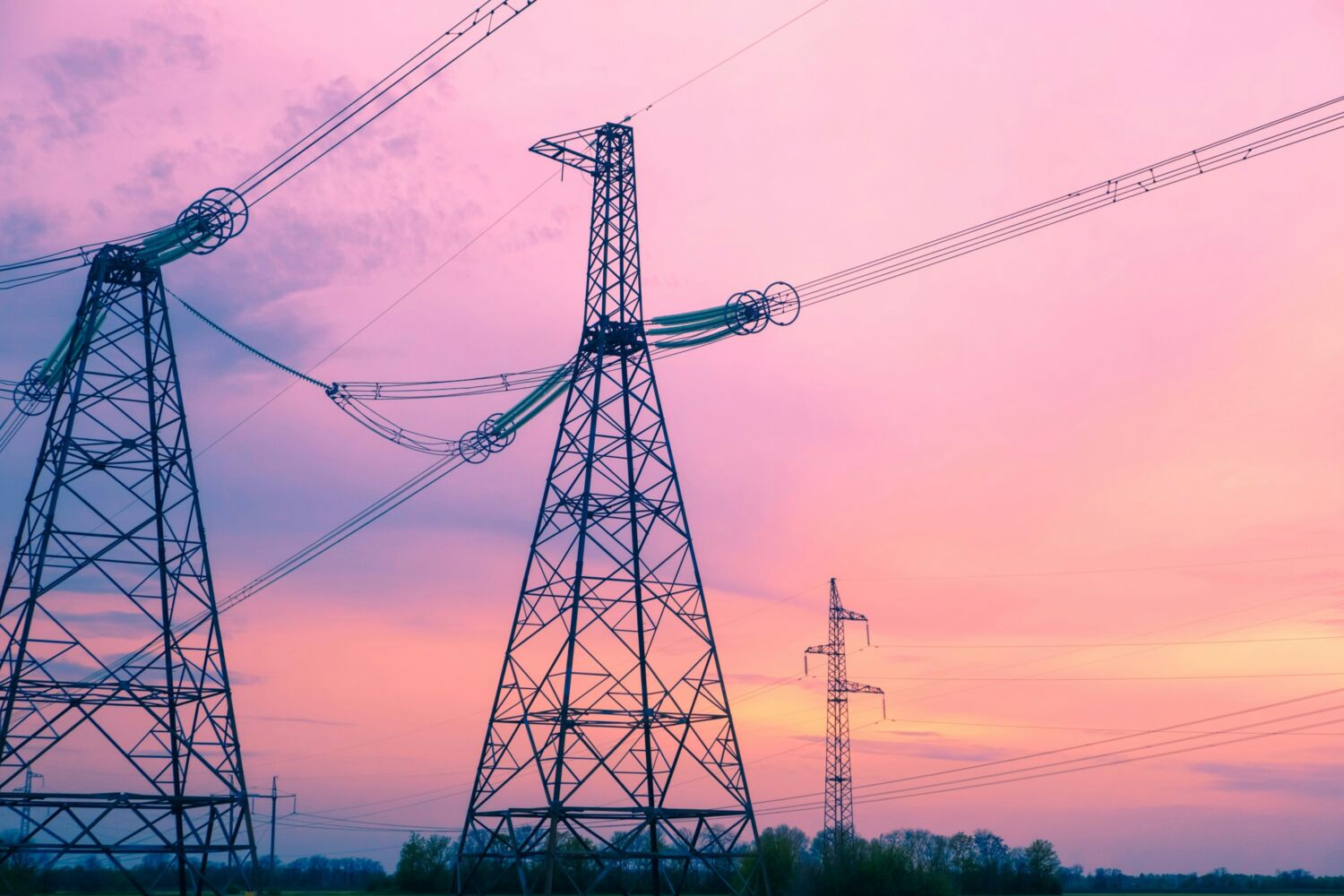
As America pushes toward an electrified future, demand for electricity is skyrocketing. From electric vehicles to heat pumps replacing gas-fired systems, the shift to electricity touches every corner of our lives. But there’s a growing problem: the infrastructure needed to deliver this power isn’t keeping up with the demand.
For over a century, electricity has been central to our economy. It powers everything from refrigerators to cutting-edge technologies like AI. But today’s electrification mandates—from requiring all new cars to be electric by 2035 to laws banning fossil fuel heating in new buildings—assume the grid can handle it. In reality, it’s strained and unprepared for the rapid increases in demand.
What’s Going Wrong?
Instead of investing in the power lines, substations, and backup systems needed for a reliable grid, many utilities are focused on managing demand. This often means higher prices and restricted access to electricity for customers. For example, time-of-use pricing penalizes households for using electricity during peak hours, with rates in California reaching up to $1.16 per kilowatt-hour during peak demand—making running a home air conditioner prohibitively expensive for many families.
Worse, blackouts are becoming more common. For example, the amount of time customers of Pacific Gas & Electric are without power has doubled over the past decade. Yet, utilities continue to avoid investing in long-term solutions, choosing instead to ration power through exorbitant prices and direct controls, like preventing EV chargers or air conditioners from running during critical hours.
Why This Matters
Electrification is being driven by efforts to reduce carbon emissions, but mandates for wind and solar power—without sufficient backup or transmission capacity—are destabilizing the grid. This is bad news for everyone. Businesses lose productivity, families face rising and unaffordable bills, and entire communities are left in the dark during critical times.
The irony? While utilities claim these policies save costs, they ignore the price paid by consumers: lost convenience, higher bills, and reduced economic growth.
A Smarter Path Forward
If we want an electrified future that also meets environmental goals, we need to build the infrastructure to support it. Here’s how:
- Pause Mandatory Electrification Efforts: Rushing to replace gas with electricity is unsustainable without a grid capable of handling the increased demand.
- Invest in Reliable Energy Sources: Natural gas and nuclear power provide stable, low-emission electricity. Prioritizing these sources will ensure affordability and reliability while still meeting climate goals.
- Rethink Utility Planning: Utilities must account for the real costs consumers face, like inconvenience and lost productivity, when deciding whether to invest in new infrastructure or continue rationing electricity.
An electrified America must be built on a foundation of affordable, reliable power. Without it, the push for clean energy risks leaving families in the dark and businesses at a standstill.