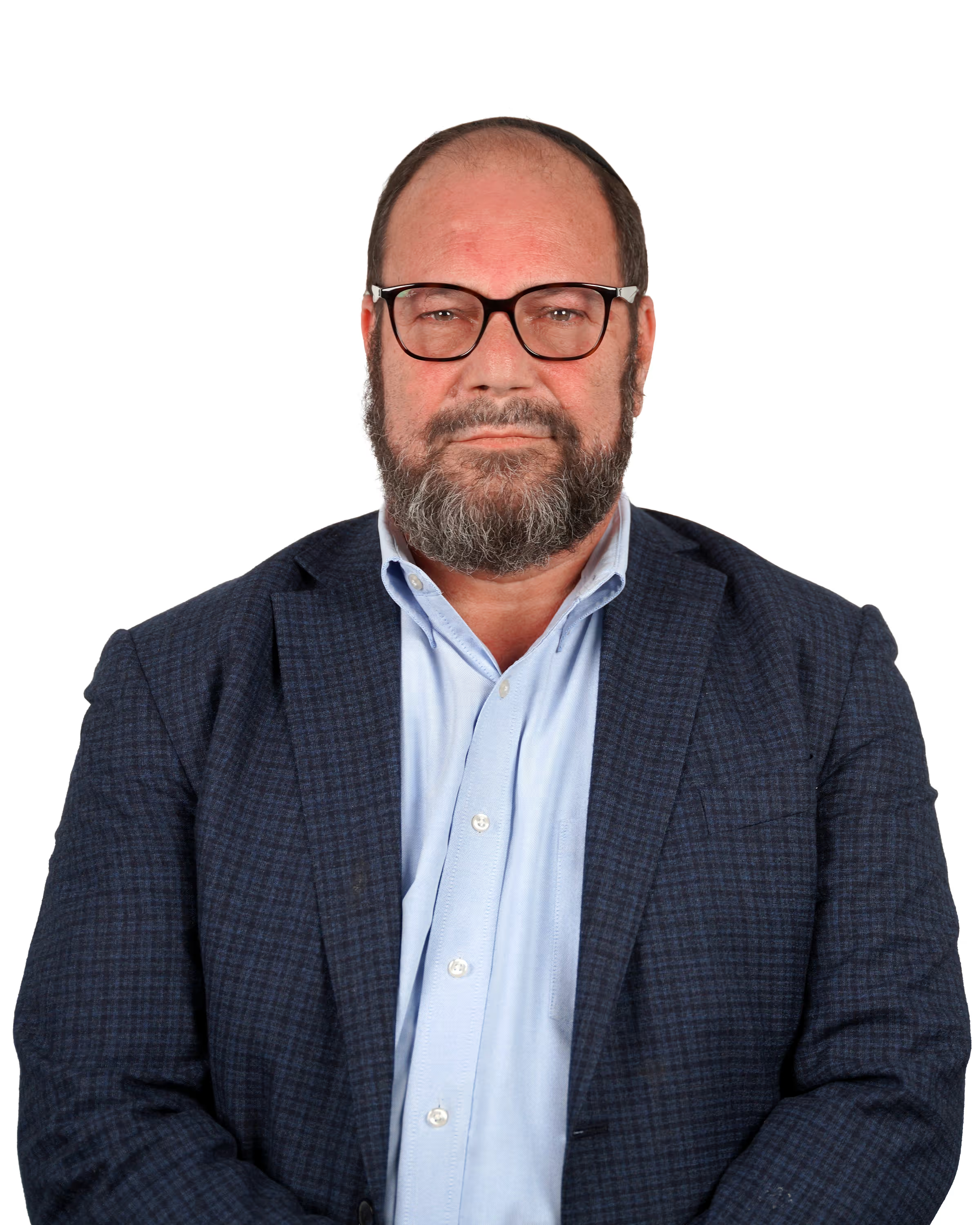
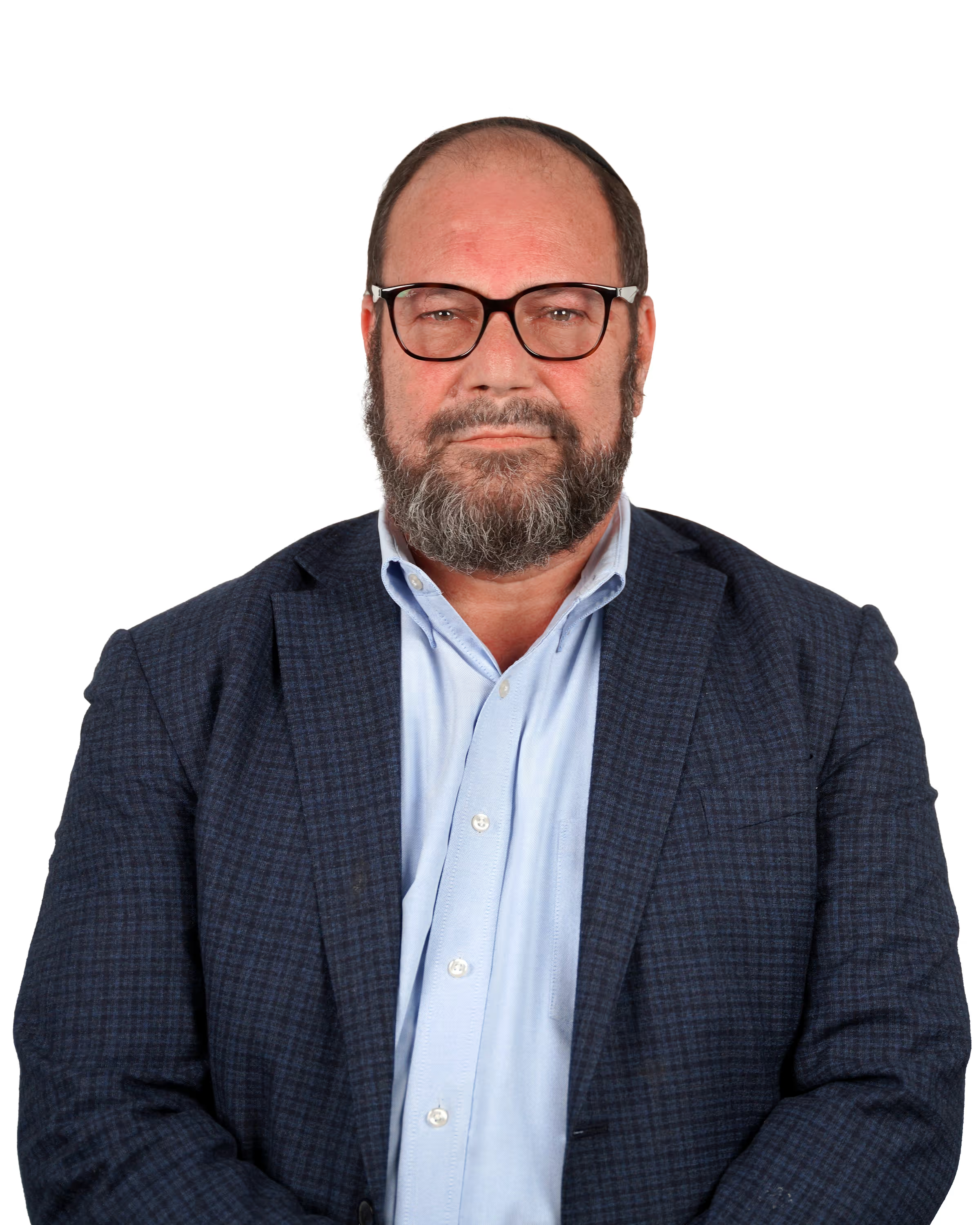
Iddo K. Wernick, PhD
Iddo K. Wernick, PhD has spent over three decades measuring and analyzing how technology systems influence societal resource consumption and the natural environment. An applied physicist by training, Iddo has presented work on national resource consumption and drivers of environmental quality to governments and universities around the world. He co-founded an environmental knowledge management software venture, Ecos Technologies, in the late 1990s, worked at the World Resources Institute in Washington, DC and with the USEPA on finding substitutes for radionuclides in industrial applications. Beginning in 2004, Iddo worked for 5 years as a clinical medical physicist in a radiation oncology department in New York City. Subsequently he taught graduate courses in Industrial Ecology and Energy Systems in the Urban Environment graduate program at the City University of New York. He continues to conduct research at the Program for the Human Environment at Rockefeller University.
30
Years in Energy
Iddo K. Wenick, Ph.D. is an expert in industrial ecology, resource economies, and the material foundations of energy systems. He has spent more than 30 years analyzing and measuring how technology systems contribute to and determine resource consumption and affect our natural environment.
Alongside his work for NCEA, he is currently a Senior Research Associate at The Rockefeller University, where he conducts research regarding climate technology and the future energy agenda at the Program for the Human Environment. He co-founded Ecos Technologies, a digital environmental knowledge management platform. Wenick also spent five years at St. Luke's-Roosevelt Medical Center in its Department of Radiation Oncology as a Medical Physicist, where he would provide beam radiation treatment planning and imaging diagnostics.
He began his work in application and policy at the World Resource Institute in DC as the leader of the Material Flow Account Project, where he created a proposal for a national Material Flow Accounting Framework for the United States, a tool that would assist in the creation of Environmental Policy by tracking how materials that cycle into the economy enter the environment at all phases of the commodities life cycle. Shortly after, he worked as a consultant, researching substitutes for commercial uses of radionuclides, for the Radiation Protection Division in the Center for Responsible Environmental Strategies of the United States Environmental Protection Agency.
Wernick is also a part-time senior lecturer at The City College of New York, where he teaches a course on Industrial Ecology and Energy Systems in the Master's in Sustainability program. Formerly, he has also taught courses at Yeshiva University and Columbia University, and the Urban Environment graduate program at the City University of New York. Wernick received his bachelor's degree in physics from the University of California, Los Angeles, and his PhD in applied physics from Columbia University.
Interview Topics
- Natural resources economies
- energy innovation and emerging technologies
- policy and market design/incentives
In the media
Press Kit &
Media Resources
Download official headshots, bio, and media materials for interviews and publications.
Media inquiries: media@energyanalytics.org
Related Experts



Request a Scholar
NCEA scholars are available for media interviews, expert testimony, speaking engagements, and custom briefings on energy policy.