ESC

Search NCEA

Find research, scholars, events, and media

Grid reliabilityMark MillsNuclearRenewable costs
Research
42results

Ask a question

Get an AI-powered answer grounded in NCEA research

Costs of renewable mandatesGrid reliability

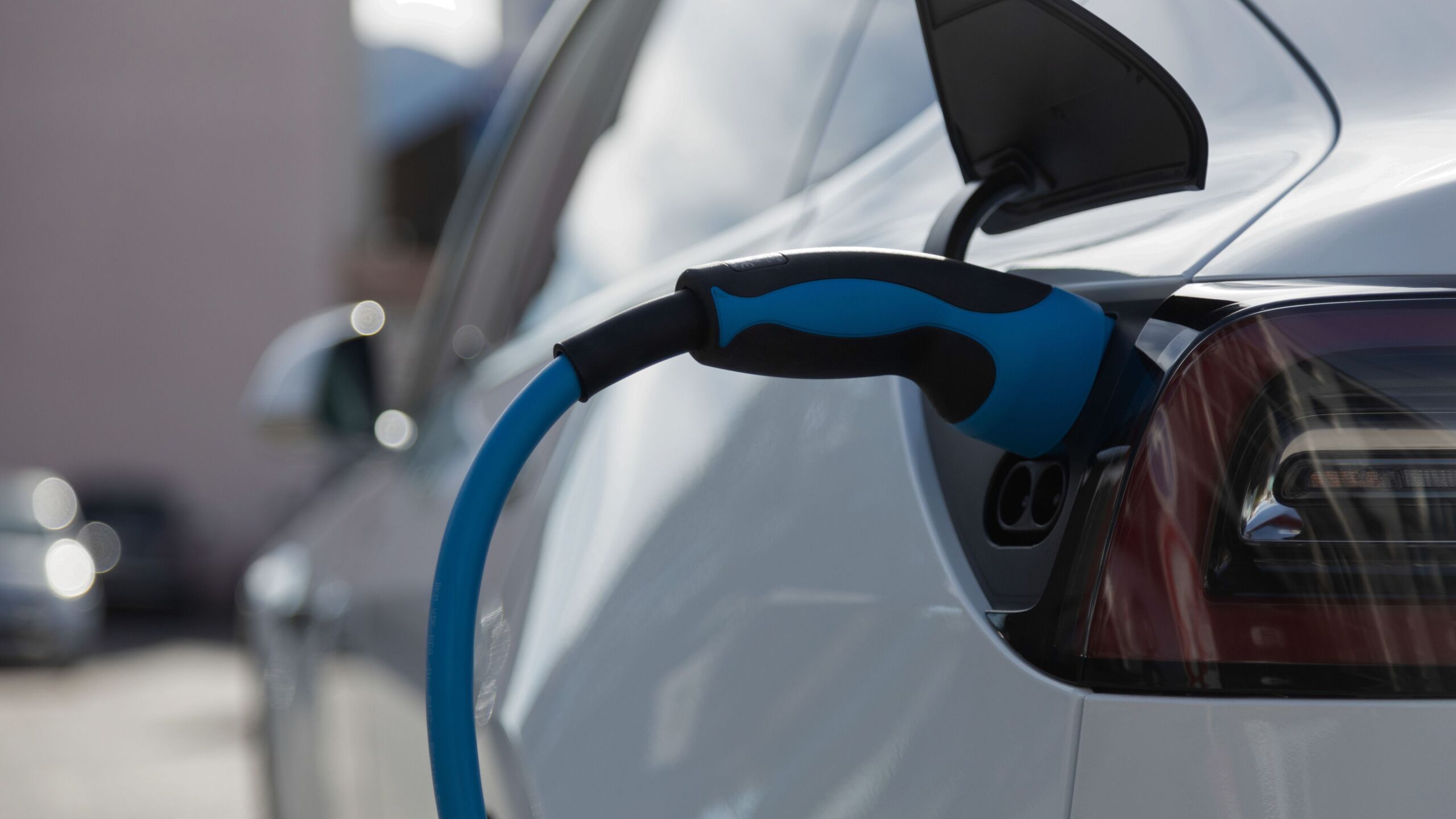
NCEA Releases Inaugural Report Revealing Projected $2 - 4 Trillion Cost to Build Nationwide Electric Vehicle Charging Infrastructure
NCEA Releases Inaugural Report Revealing Projected $2 - 4 Trillion Cost to Build Nationwide Electric Vehicle Charging Infrastructure
June 7, 2024

WASHINGTON, D.C. -- Today, the National Center for Energy Analytics (NCEA) released its first-ever study, which evaluates the realities of the ongoing push for an all-electric vehicle (EV) future. The study documents the overlooked and enormous physical and economic challenges of attempting to rapidly deploy an all-EV infrastructure to replicate the fueling convenience of today's distribution of liquids in pipes, tanks, and pumps. The study reveals that the total cost of expanding and upgrading the necessary electrical infrastructure--excluding the cost of new power plants--could exceed $4 trillion.

"I'm honored to have joined this important undertaking with NCEA and author its first study. The current rush to transform our auto industry through coercive government mandates and billions in taxpayer subsidies ignores a very important reality - the scale and enormous cost, not only of EV charging stations but more importantly, the hardware needed to get electricity to all the EV charging stations," said Senior Fellow Jonathan Lesser. "This study shows that those total costs will range from $2 - 4 trillion even before accounting for inevitable inflation in labor and materials costs. Those costs will be shouldered by Americans already struggling under high energy prices. Ultimately, this rush to EVs is unsustainable and will collapse, hopefully before inflicting severe economic damage to America's economy."

"Jonathan's groundbreaking new report is precisely the kind of analysis that the NCEA was created to pursue to help ensure policies are either anchored in or at least recognize the realities of vital energy systems," said Mark P. Mills, NCEA's Executive Director. "While the Environmental Protection Agency has moved full steam ahead with its backdoor EV mandate, widespread adoption of EVs will require an unprecedented and rapid expansion of our nation's electric grids and at huge costs, and coming at a time when those grids are already under severe stress."

Lesser's detailed analysis underscores that achieving an all-EV future will require extensive enhancements and expansion of the entire electrical delivery system. This includes the installation of millions of home and roadside charging stations, massive upgrades to local distribution systems, unprecedented production of vital power transformers, and the construction of additional high-voltage transmission lines. The need for specialized materials, such as electrical steel and copper, and the labor shortages in skilled trades, such as electricians and linemen, add to the challenges. As the report starkly notes, without addressing these physical and economic realities, the current push for an all-EV mandate is not only unsustainable but also threatens to compromise both grid reliability as well as the freedom of mobility that Americans deserve.

The report, "Infrastructure Requirements for the Mass Adoption of Electric Vehicles," is available for download on our website.

More insights

An analysis by the National Center for Energy Analytics of the nation’s largest grid finds a renewables-only system is physically implausible, cost-prohibitive, and inefficient at reducing carbon emissions.

New Study: A Wind-Solar-Battery Grid Would Cost PJM Ratepayers More Than $4 Trillion, Six Times the Cost of Natural Gas and Nuclear

NCEA finds a renewables-only PJM grid would cost ratepayers over $4 trillion, six times the cost of a natural gas and nuclear system, and stay implausible.

National Center for Energy Analytics · Jul 09, 2026 · 3 min

New Analysis Finds Corn Ethanol Policy Falls Short on Energy, Emissions, and Resource Efficiency

New Analysis Finds Corn Ethanol Policy Falls Short on Energy, Emissions, and Resource Efficiency

NCEA analysis finds corn ethanol delivers limited net energy, uses 992 gallons of water per gallon produced, and may raise emissions above gasoline.

· Apr 23, 2026 ·

New Energy Security Index Warns U.S. Risks Losing Shale-Era Energy Security Gains

New Energy Security Index Warns U.S. Risks Losing Shale-Era Energy Security Gains

NCEA's new Energy Security Index warns the shale era's security gains are eroding, with mineral supply risk reshaping U.S. exposure through 2035.

· Mar 13, 2026 ·

NCEA Report Finds Partial Return to Realism in IEA's World Energy Outlook 2025, but Warns Key Risks Remain

NCEA Report Finds Partial Return to Realism in IEA's World Energy Outlook 2025, but Warns Key Risks Remain

The IEA's restored Current Policies Scenario shows oil demand rising through 2050 with no peak, but NCEA finds four key risks still unaddressed.

· Jan 29, 2026 ·

American Energy + AI Effort to Provide Near-Term Path to Power AI Growth

American Energy + AI Effort to Provide Near-Term Path to Power AI Growth

Cabinet officials and energy, tech, and finance leaders outline concrete steps to add firm power on the timelines AI-scale demand requires.

· Nov 17, 2025 ·

Report: No Evidence of Global Energy Transition Despite Trillions Spent on Decarbonization

Report: No Evidence of Global Energy Transition Despite Trillions Spent on Decarbonization

New issue brief finds emissions and fossil-fuel use still rising after three decades of international climate agreements and record renewable investment.

· Nov 12, 2025 ·

New Analysis Warns of Hidden $50 Billion Liability as Wind and Solar Projects Age Without Decommissioning Safeguards

New Analysis Warns of Hidden $50 Billion Liability as Wind and Solar Projects Age Without Decommissioning Safeguards

As wind and solar projects reach end of life, NCEA finds up to $50 billion in unfunded U.S. decommissioning liabilities with few safeguards in place.

· Oct 28, 2025 ·

Report Finds "Missing Pieces" in IEA's 2025 Critical Minerals Outlook, Calls for New U.S. Minerals Policy Model

Report Finds "Missing Pieces" in IEA's 2025 Critical Minerals Outlook, Calls for New U.S. Minerals Policy Model

NCEA finds critical gaps in the IEA's 2025 Critical Minerals Outlook and calls for a new U.S. minerals policy model built on supply-chain realism.

· Oct 21, 2025 ·

Report: New Financing Strategy Needed to Spark America's Nuclear Energy Revival

Report: New Financing Strategy Needed to Spark America's Nuclear Energy Revival

NCEA proposes unlocking private equity capital to finance the next generation of large-scale nuclear reactors as U.S. power demand accelerates.

· Aug 12, 2025 ·

National Center for Energy Analytics Welcomes Stephen D. Eule as Visiting Fellow

National Center for Energy Analytics Welcomes Stephen D. Eule as Visiting Fellow

NCEA appoints Stephen D. Eule as visiting fellow, bringing decades of experience in energy, climate, and technology policy to the center's research.

· Jul 18, 2025 ·

Former IEA Oil Market Chief Joins National Center for Energy Analytics as Visiting Fellow

Former IEA Oil Market Chief Joins National Center for Energy Analytics as Visiting Fellow

Neil Atkinson, former head of oil at the IEA, joins NCEA as a visiting fellow providing research and analysis on global oil market issues.

· Apr 28, 2025 ·

NCEA Report Urges Policymakers to Reject Flawed "Social Cost of Carbon" as Basis for Energy Decisions

NCEA Report Urges Policymakers to Reject Flawed "Social Cost of Carbon" as Basis for Energy Decisions

Jonathan Lesser finds the social cost of carbon rests on arbitrary assumptions, and urges policymakers to reject it as a basis for energy decisions.

· Apr 23, 2025 ·

Study: Maritime Shipping is the Black Hole of the Energy Transition

Study: Maritime Shipping is the Black Hole of the Energy Transition

NCEA examines how maritime shipping, largely absent from energy forecasts, links critical minerals supply to the renewable power industry.

· Apr 03, 2025 ·

Veteran energy experts find 23 problematic assumptions within IEA's World Energy Outlook 2024

Veteran energy experts find 23 problematic assumptions within IEA's World Energy Outlook 2024

NCEA experts identify 23 problematic assumptions in the IEA's World Energy Outlook 2024, challenging its central projections for future oil demand.

· Jan 29, 2025 ·

New Report Suggests Electrification Mandates Worsen Energy Affordability, Power Access, Economist Jonathan Lesser, PhD, urges policymakers to adopt a more rational planning framework

New Report Suggests Electrification Mandates Worsen Energy Affordability, Power Access, Economist Jonathan Lesser, PhD, urges policymakers to adopt a more rational planning framework

NCEA finds mandates to electrify the economy while rationing energy use may deepen the affordability crisis and restrict power access.

· Jan 22, 2025 ·

National Center for Energy Analytics Appoints Policy Analyst Rupert Darwall as Senior Fellow

National Center for Energy Analytics Appoints Policy Analyst Rupert Darwall as Senior Fellow

Policy analyst Rupert Darwall joins NCEA as senior fellow, expanding the center's expertise on U.S. energy policy and regulation.

· Jan 14, 2025 ·

New Report from the National Center for Energy Analytics Outlines Pathways to Preserve and Expand U.S. Dominance in Global LNG

New Report from the National Center for Energy Analytics Outlines Pathways to Preserve and Expand U.S. Dominance in Global LNG

Senior fellow Tristan Abbey examines the politicization of LNG exports and sets out three pathways to preserve U.S. dominance in global gas.

· Oct 23, 2024 ·

Critical Minerals Expert Peter Bryant Joins National Center for Energy Analytics Advisory Board

Critical Minerals Expert Peter Bryant Joins National Center for Energy Analytics Advisory Board

Critical minerals expert Peter Bryant, board chair of Clareo, joins NCEA's advisory board with decades of mining and energy sector experience.

· Sep 30, 2024 ·

New Report Shows Securities and Exchange Commission Planned Climate Rules Will Accelerate Systemic Financial and Economic Risk

New Report Shows Securities and Exchange Commission Planned Climate Rules Will Accelerate Systemic Financial and Economic Risk

Senior fellow Paul H. Tice finds the SEC's planned climate disclosure rules would add regulatory burden and accelerate systemic financial risk.

· Sep 11, 2024 ·