NCEA Releases Inaugural Report Revealing Projected $2 - 4 Trillion Cost to Build Nationwide Electric Vehicle Charging Infrastructure
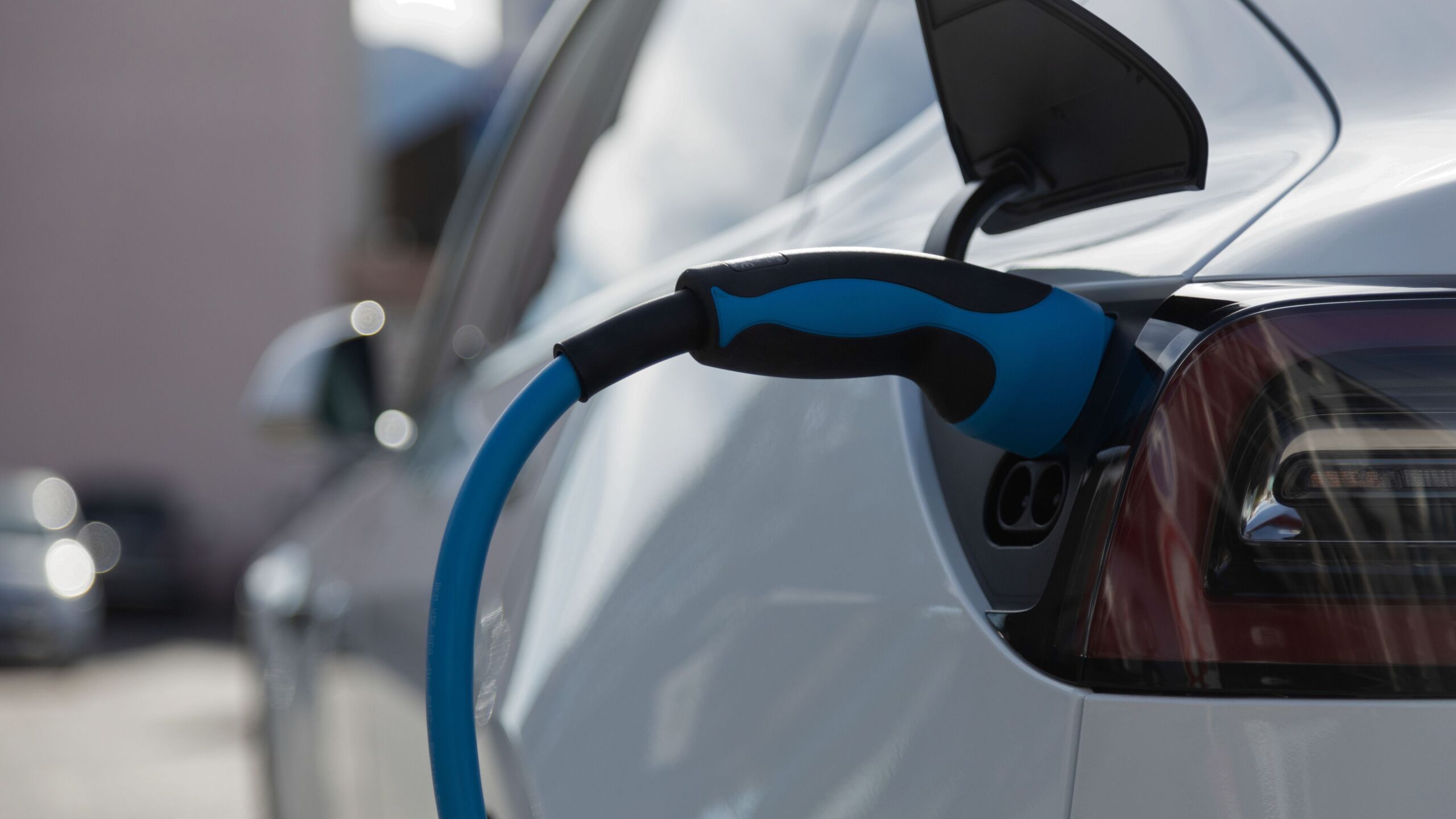

WASHINGTON, D.C. -- Today, the National Center for Energy Analytics (NCEA) released its first-ever study, which evaluates the realities of the ongoing push for an all-electric vehicle (EV) future. The study documents the overlooked and enormous physical and economic challenges of attempting to rapidly deploy an all-EV infrastructure to replicate the fueling convenience of today's distribution of liquids in pipes, tanks, and pumps. The study reveals that the total cost of expanding and upgrading the necessary electrical infrastructure--excluding the cost of new power plants--could exceed $4 trillion.
"I'm honored to have joined this important undertaking with NCEA and author its first study. The current rush to transform our auto industry through coercive government mandates and billions in taxpayer subsidies ignores a very important reality - the scale and enormous cost, not only of EV charging stations but more importantly, the hardware needed to get electricity to all the EV charging stations," said Senior Fellow Jonathan Lesser. "This study shows that those total costs will range from $2 - 4 trillion even before accounting for inevitable inflation in labor and materials costs. Those costs will be shouldered by Americans already struggling under high energy prices. Ultimately, this rush to EVs is unsustainable and will collapse, hopefully before inflicting severe economic damage to America's economy."
"Jonathan's groundbreaking new report is precisely the kind of analysis that the NCEA was created to pursue to help ensure policies are either anchored in or at least recognize the realities of vital energy systems," said Mark P. Mills, NCEA's Executive Director. "While the Environmental Protection Agency has moved full steam ahead with its backdoor EV mandate, widespread adoption of EVs will require an unprecedented and rapid expansion of our nation's electric grids and at huge costs, and coming at a time when those grids are already under severe stress."
Lesser's detailed analysis underscores that achieving an all-EV future will require extensive enhancements and expansion of the entire electrical delivery system. This includes the installation of millions of home and roadside charging stations, massive upgrades to local distribution systems, unprecedented production of vital power transformers, and the construction of additional high-voltage transmission lines. The need for specialized materials, such as electrical steel and copper, and the labor shortages in skilled trades, such as electricians and linemen, add to the challenges. As the report starkly notes, without addressing these physical and economic realities, the current push for an all-EV mandate is not only unsustainable but also threatens to compromise both grid reliability as well as the freedom of mobility that Americans deserve.
The report, "Infrastructure Requirements for the Mass Adoption of Electric Vehicles," is available for download on our website.
More insights

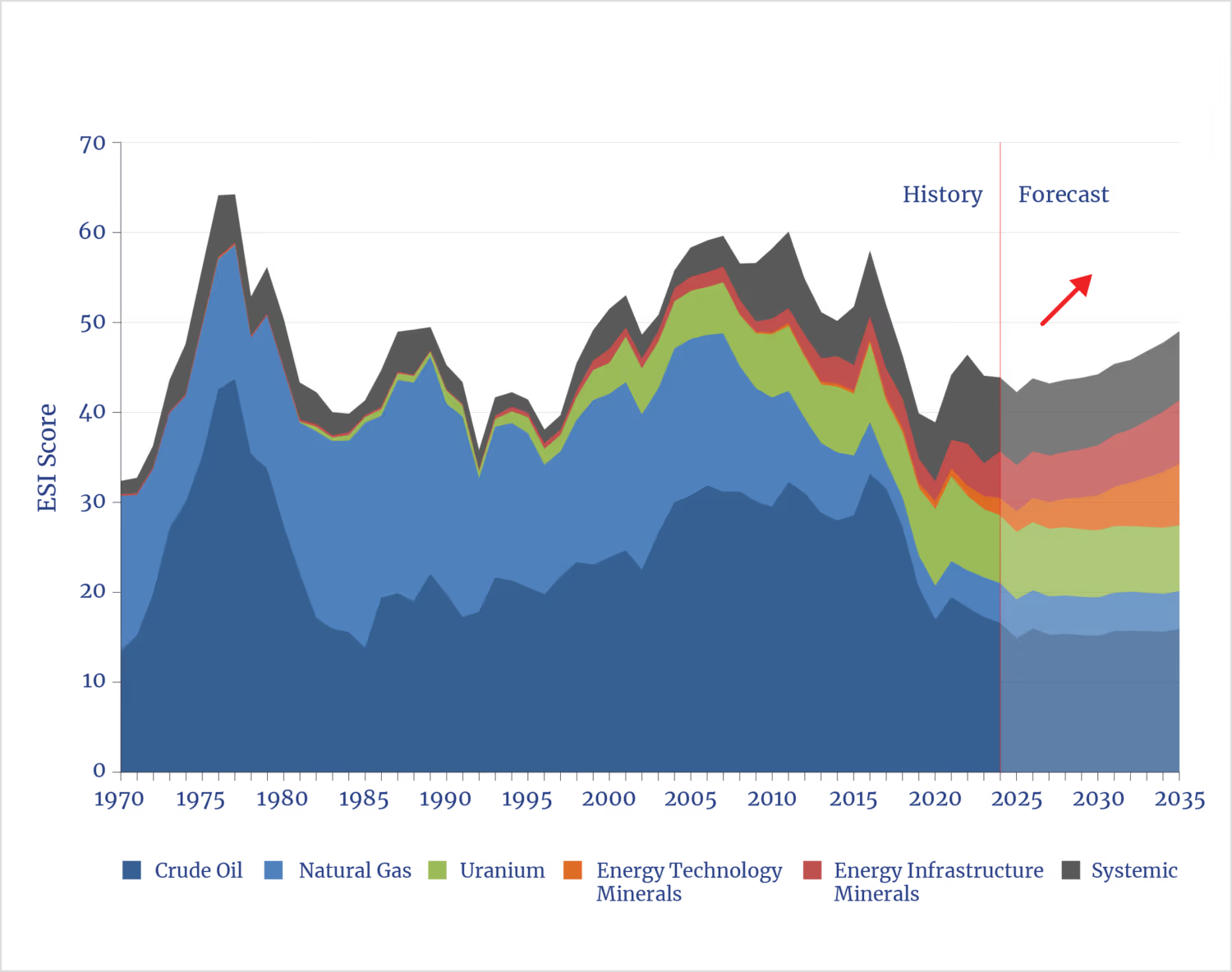
New Energy Security Index Warns U.S. Risks Losing Shale-Era Energy Security Gains
The energy security gains the United States achieved during the shale revolution are beginning to erode and could continue weakening through 2035, according to a new report from the National Center for Energy Analytics (NCEA).

.jpeg)
New Analysis Warns of Hidden $50 Billion Liability as Wind and Solar Projects Age Without Decommissioning Safeguards
WASHINGTON, D.C., October 27, 2025 -- As wind turbines and solar panels reach the end of their operational life spans, the United States is facing a massive and largely unacknowledged financial risk: billions of dollars in unfunded liabiliti


Report: New Financing Strategy Needed to Spark America's Nuclear Energy Revival
As America's power grid faces mounting reliability concerns and unprecedented demand growth driven by the digital economy, a new report from the National Center for Energy Analytics proposes a financing strategy to spark nuclear energy's re
National Center for Energy Analytics Welcomes Stephen D. Eule as Visiting Fellow
The National Center for Energy Analytics (NCEA), a Washington, D.C.-based energy think tank, today announced the appointment of Stephen D. Eule as a visiting fellow, bringing decades of experience in energy, climate, and technology policy t
Former IEA Oil Market Chief Joins National Center for Energy Analytics as Visiting Fellow
National Center for Energy Analytics (NCEA), a Washington, D.C.-based energy think tank, announced today it has added Neil Atkinson as a visiting fellow. In this role, he will provide research and analysis of oil market issues.

NCEA Report Urges Policymakers to Reject Flawed "Social Cost of Carbon" as Basis for Energy Decisions
Federal and state governments use a measurement known as the social cost of carbon (SCC) to quantify the economic damage caused by each additional ton of carbon dioxide (CO2) emitted into the atmosphere. More specifically, policymakers are
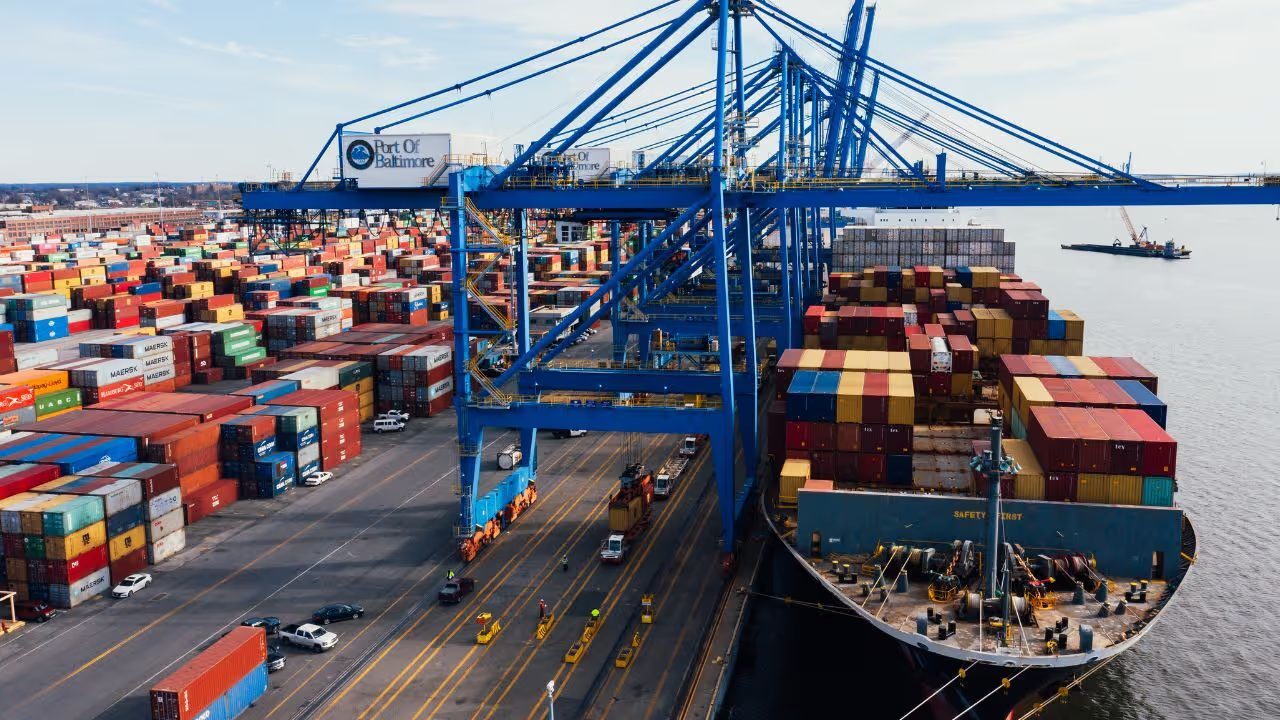
Study: Maritime Shipping is the Black Hole of the Energy Transition
The global shipping industry has long played a central role in the energy-materials supply chain. Yet, few energy forecasts and analysts have considered how maritime shipping is a weak link of the energy transition, according to a National

Veteran energy experts find 23 problematic assumptions within IEA's World Energy Outlook 2024
WASHINGTON, January 30, 2025 -- Industry players consider the International Energy Agency's signature annual report, the World Energy Outlook, to contain highly credible analyses. However, a new critique from the National Center of Energy An

New Report Suggests Electrification Mandates Worsen Energy Affordability, Power Access, Economist Jonathan Lesser, PhD, urges policymakers to adopt a more rational planning framework
According to a National Center for Energy Analytics (NCEA) report, mandates to electrify the American economy while rationing customers' energy use may worsen the energy affordability crisis and power access.

National Center for Energy Analytics Appoints Policy Analyst Rupert Darwall as Senior Fellow
Washington, D.C., - National Center for Energy Analytics (NCEA), a Washington, D.C.-based energy think tank, has added policy analyst Rupert Darwall as a senior fellow. In this role, Darwall will leverage his extensive knowledge on U.S. ene

New Report from the National Center for Energy Analytics Outlines Pathways to Preserve and Expand U.S. Dominance in Global LNG
Washington, D.C. - Today, National Center for Energy Analytics (NCEA) Senior Fellow Tristan Abbey published a report examining the politicization of liquid natural gas (LNG) exports and recommending three pathways to ensure the United

Critical Minerals Expert Peter Bryant Joins National Center for Energy Analytics Advisory Board
National Center for Energy Analytics (NCEA) announces the addition of Peter Bryant to its Advisory Board. Bryant, Board Chair of Clareo and Co-Founder and Board Chair of the Development Partner Institute, brings decades of practical experience in advising the mining and energy sectors.

New Report Shows Securities and Exchange Commission Planned Climate Rules Will Accelerate Systemic Financial and Economic Risk
Washington, D.C. - Today, National Center for Energy Analytics (NCEA) Advisor and Senior Fellow Paul H. Tice published an in-depth report evaluating the impact on U.S. financial markets from the planned climate rules from the U.S. Securitie