New Analysis Warns of Hidden $50 Billion Liability as Wind and Solar Projects Age Without Decommissioning Safeguards
.jpeg)

WASHINGTON, D.C., October 27, 2025 -- As wind turbines and solar panels reach the end of their operational life spans, the United States is facing a massive and largely unacknowledged financial risk: billions of dollars in unfunded liabilities tied to the eventual dismantling, transporting, and disposing of wind and solar infrastructure.
The results from the National Center for Energy Analytics show that, in most states, the owners of renewable projects are not required to set aside adequate funds to retire facilities safely, leaving taxpayers exposed to what could become a $50 billion or more cleanup bill.
The issue brief and the detailed analysis offer the first comprehensive, state-by-state review of financial assurance rules governing renewable energy decommissioning. The research is authored by Curtis Schube, executive director of the Council to Modernize Governance and visiting fellow at the NCEA.
"This issue is both financial and environmental," said Schube. "If companies go bankrupt abandon their projects, the responsibility for cleanup ultimately shifts to taxpayers. That risk grows with every new wind turbine or solar panel built without adequate decommissioning safeguards."
States Facing the Highest Cleanup Exposure
According to the analysis, states with the largest renewable energy buildouts face the steepest potential liabilities. Texas, home to more than 15,000 wind turbines and one of the fastest-growing solar markets, faces the highest decommissioning liabilities in the nation at just under $9 billion.
California may incur more than $2.7 billion in end-of-life liabilities, while Illinois has the third highest estimated liability of $1.266 billion. Iowa, Kansas, and Oklahoma -- all wind-heavy states -- together face nearly $3 billion in removal and restoration liabilities. These figures will continue to grow, demonstrating the need to sufficiently regulate the wind and solar industries to assure decommissioning funding is in place.
The report also compares wind and solar decommissioning standards to those governing other energy sectors such as oil, gas, and nuclear. The contrast is striking: of the 40 states with oil and gas drilling, three-fourths earned an A or B grade for their decommissioning requirements, with two-thirds receiving an A. By contrast, among the 49 states with wind and solar installations, only one state (Virginia) received an A, while nearly two-thirds received a failing grade.
If those grades were translated into a grade-point average, renewable energy regulations would score a 1.18 GPA, compared to 3.40 for oil and gas. The federal government, which oversees offshore energy projects, also fares poorly: offshore wind decommissioning earned a D, while offshore oil and gas earned an A.
Lessons from Oil and Gas
Decommissioning obligations are not new in the energy industry. For decades, oil, gas, coal, and nuclear facilities have been subject to strict end-of-life rules requiring up-front bonding or escrow funding to ensure safe closure and land restoration. Those precedents were established to prevent the problem of "orphaned" wells and derelict industrial sites -- costly legacies that often fall to public agencies to remediate.
By contrast, most renewable energy projects are governed by voluntary or weakly enforced rules. Many states use discretionary terms such as "may" rather than "shall," allowing regulators to waive requirements or accept insufficient assurances. Others fail to fix the amount of financial coverage, leaving the size of bonds open to negotiation and, in many cases, far below realistic decommissioning costs.
According to the report, a well-structured system should require five key safeguards: mandatory language, fixed and sufficient assurance amounts, guaranteed instruments such as irrevocable bonds, and pre-construction funding. The majority of states fall short on three or more of these measures.
Federal Oversight and Offshore Risks
The findings extend beyond state-level regulations for land-based renewables. The study also grades federal decommissioning requirements, giving offshore wind a D under current Bureau of Ocean Energy Management rules; a sharp contrast to offshore oil and gas, which earned an A.
The contrast between the two energy assets is particularly important given the surge in planned offshore wind projects along the Atlantic seaboard, where several multibillion-dollar developments are already under review or construction. The lack of clarity around end-of-life responsibilities could leave both coastal communities and federal taxpayers vulnerable to future costs.
A Policy Gap Demanding Attention
Schube urges policymakers, regulators, and investors to recognize that decommissioning obligations are not peripheral but central to the integrity and sustainability of the energy transition. The renewable energy boom could saddle future generations with massive cleanup liabilities without stronger financial assurance mechanisms, repeating the same mistakes policymakers once sought to correct in fossil fuel industries.
As the report concludes, the issue is not about favoring one energy source over another, but ensuring consistent and fair rules across all sectors.
"End-of-life accountability should apply equally to all energy industries. Anything less transfers private risk to the public," said Schube.
To read the issue brief ("Who Pays When Wind Turbines and Solar Panels Wear Out? A Hidden Energy Liability") and the analysis ("A State-by-State Assessment of Financial Assurances Required for Decommissioning Wind and Solar Facilities"), visit energyanalytics.org.
About the National Center for Energy Analytics (NCEA):
The National Center for Energy Analytics is a think tank devoted to data-driven analyses of policies, plans, and technologies surrounding the supply and use of energy essential for human flourishing. Through objective analyses of energy policies and their implications, NCEA aims to inform policymakers, industry leaders, and the public on critical energy issues.
More insights

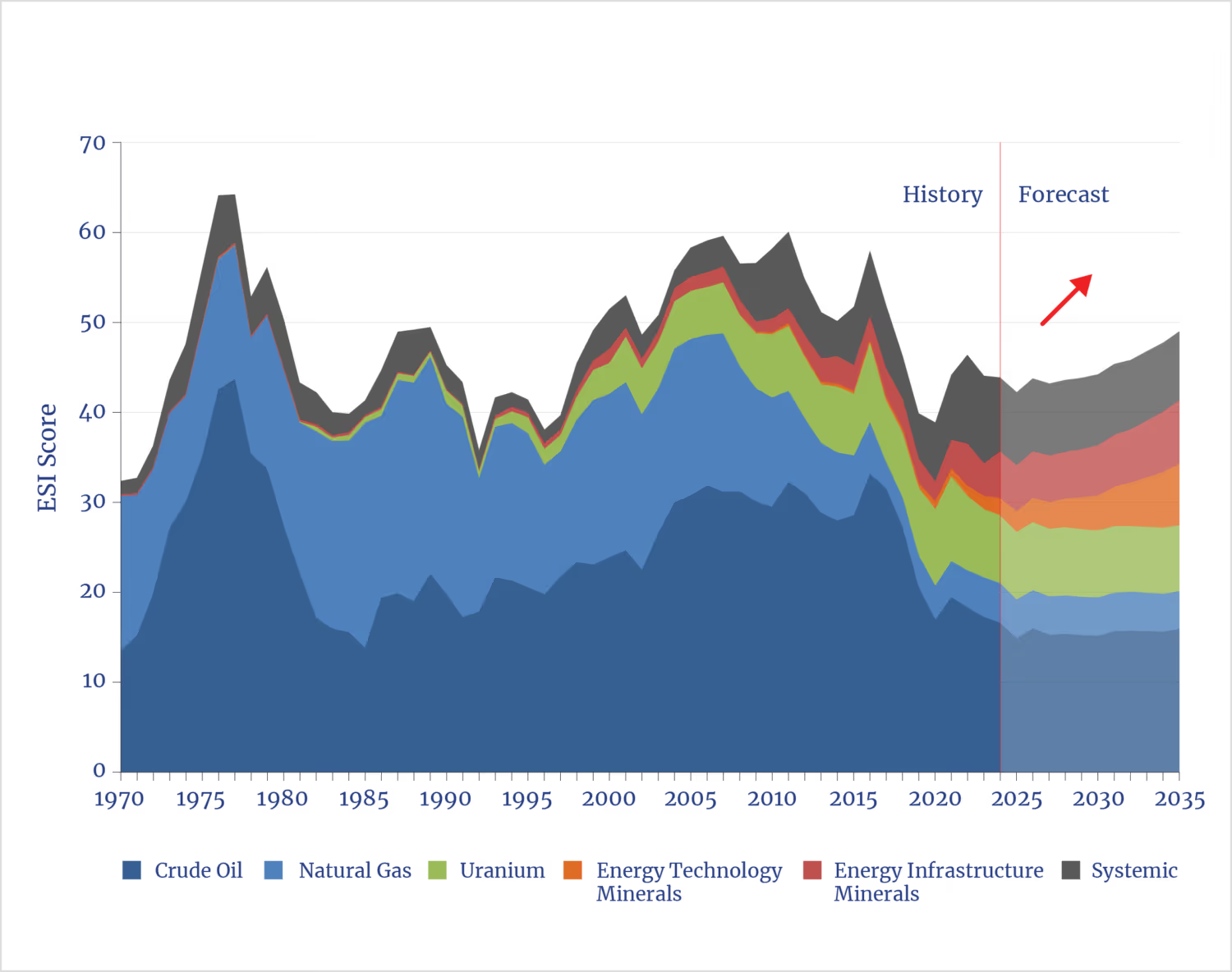
New Energy Security Index Warns U.S. Risks Losing Shale-Era Energy Security Gains
The energy security gains the United States achieved during the shale revolution are beginning to erode and could continue weakening through 2035, according to a new report from the National Center for Energy Analytics (NCEA).
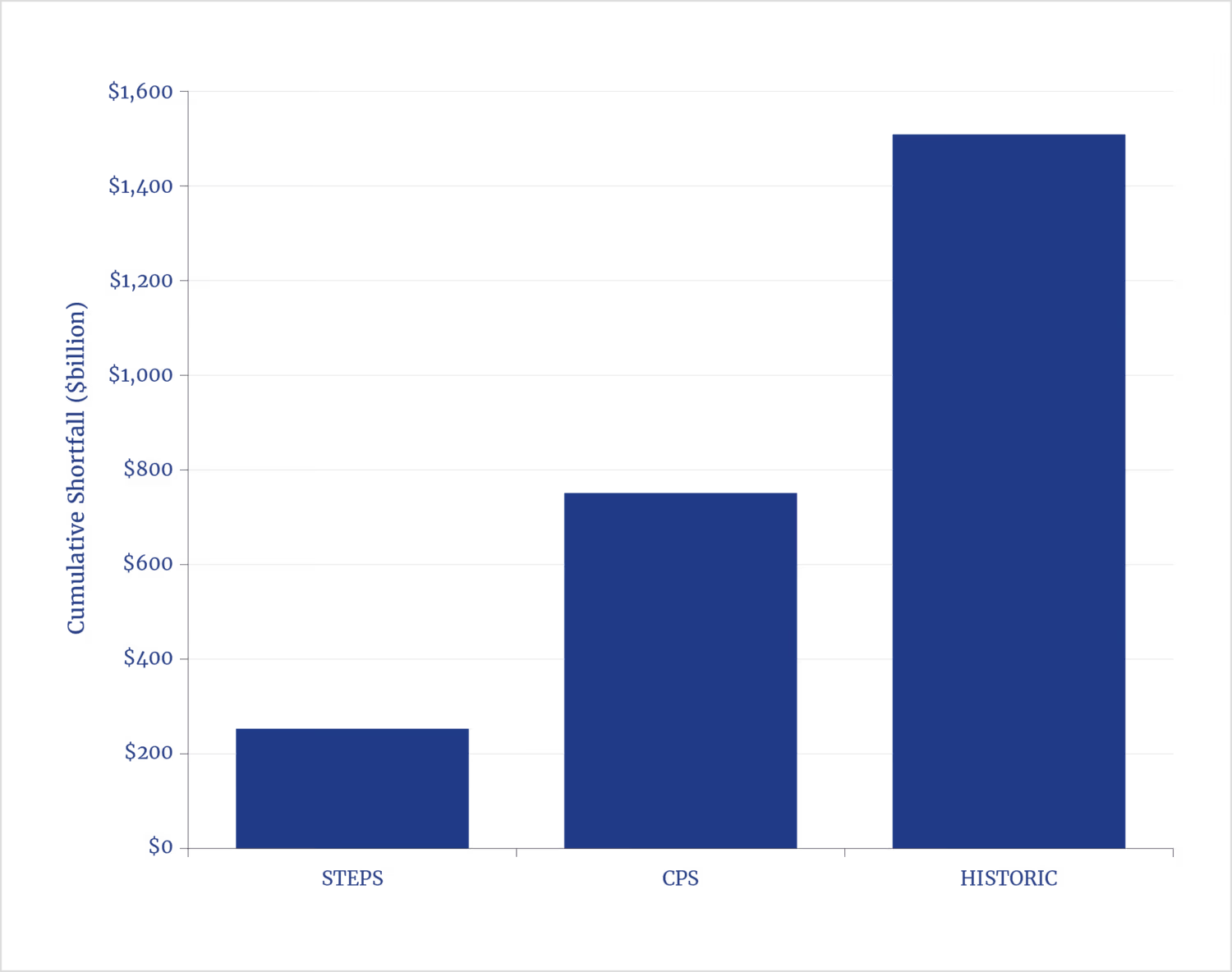

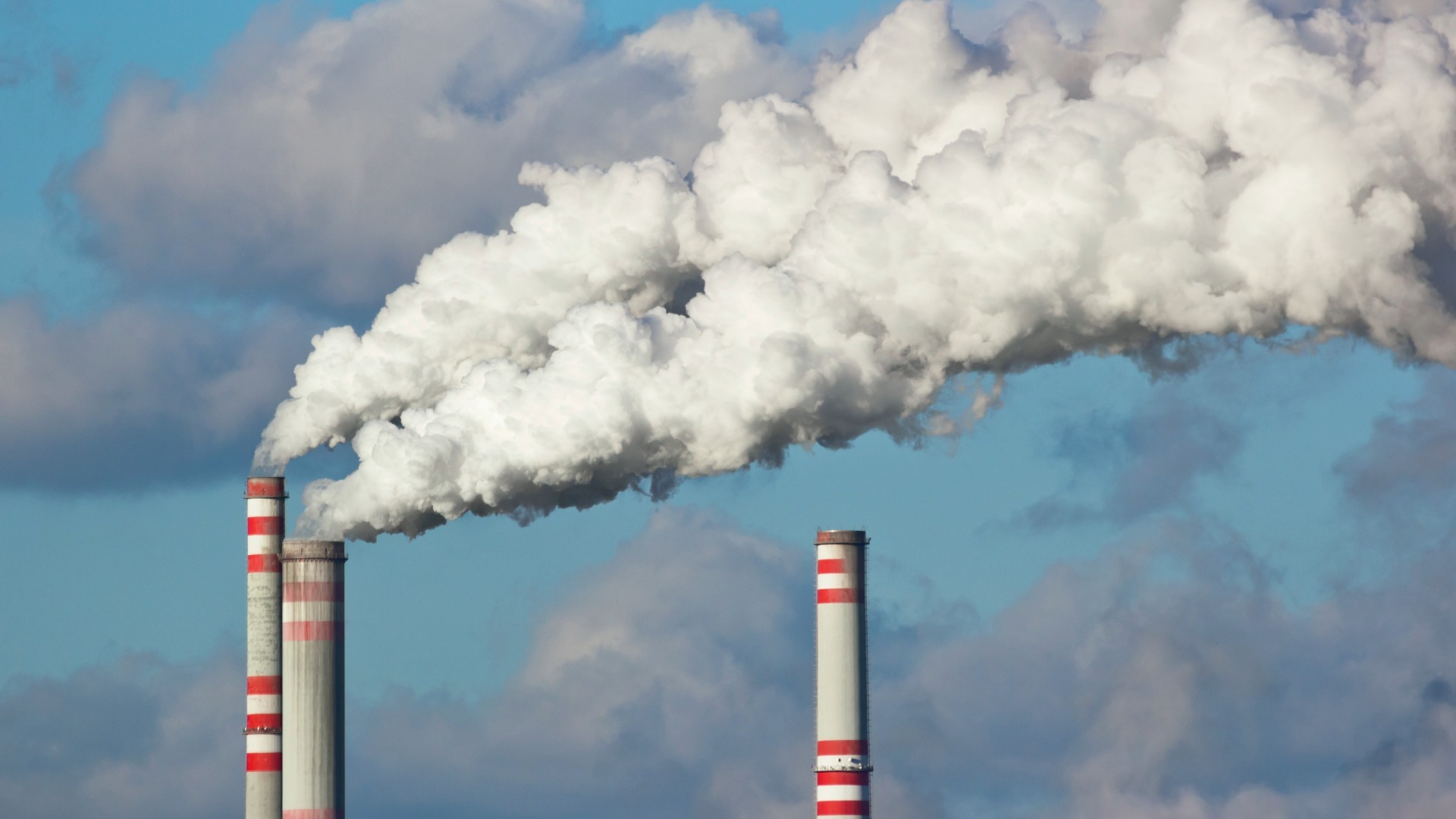


Report: New Financing Strategy Needed to Spark America's Nuclear Energy Revival
As America's power grid faces mounting reliability concerns and unprecedented demand growth driven by the digital economy, a new report from the National Center for Energy Analytics proposes a financing strategy to spark nuclear energy's re
National Center for Energy Analytics Welcomes Stephen D. Eule as Visiting Fellow
The National Center for Energy Analytics (NCEA), a Washington, D.C.-based energy think tank, today announced the appointment of Stephen D. Eule as a visiting fellow, bringing decades of experience in energy, climate, and technology policy t
Former IEA Oil Market Chief Joins National Center for Energy Analytics as Visiting Fellow
National Center for Energy Analytics (NCEA), a Washington, D.C.-based energy think tank, announced today it has added Neil Atkinson as a visiting fellow. In this role, he will provide research and analysis of oil market issues.

NCEA Report Urges Policymakers to Reject Flawed "Social Cost of Carbon" as Basis for Energy Decisions
Federal and state governments use a measurement known as the social cost of carbon (SCC) to quantify the economic damage caused by each additional ton of carbon dioxide (CO2) emitted into the atmosphere. More specifically, policymakers are
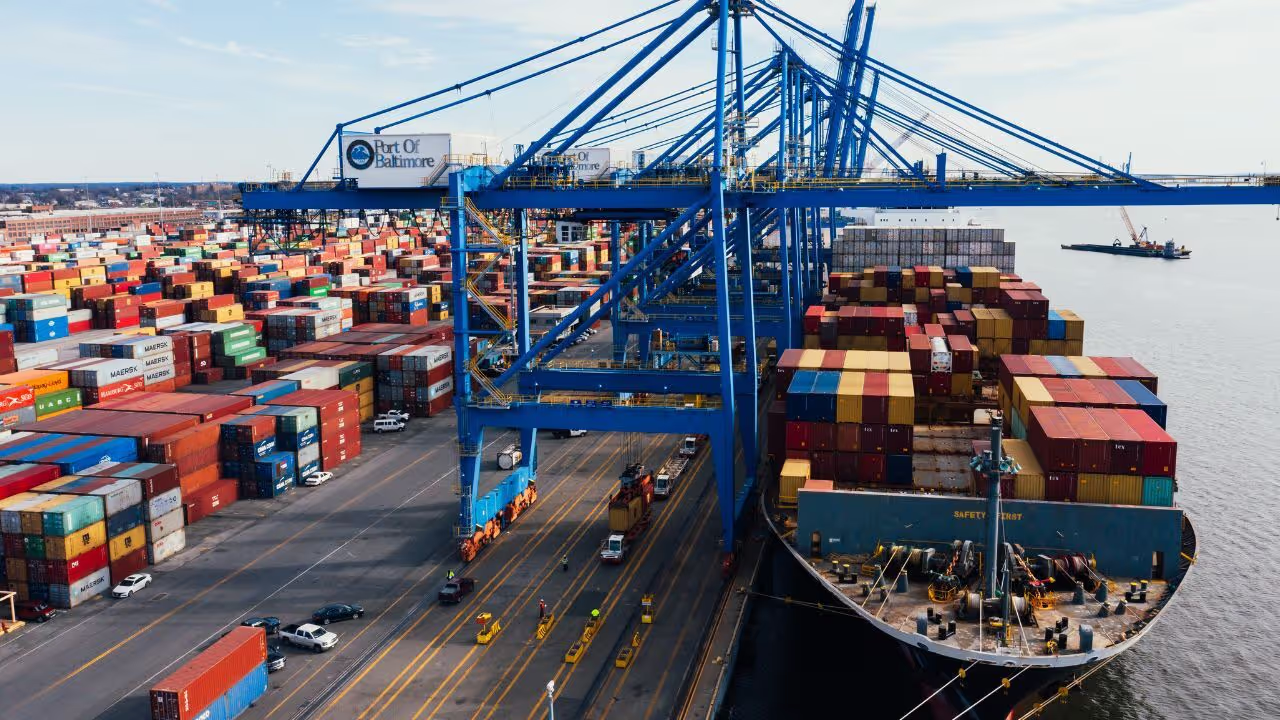
Study: Maritime Shipping is the Black Hole of the Energy Transition
The global shipping industry has long played a central role in the energy-materials supply chain. Yet, few energy forecasts and analysts have considered how maritime shipping is a weak link of the energy transition, according to a National

Veteran energy experts find 23 problematic assumptions within IEA's World Energy Outlook 2024
WASHINGTON, January 30, 2025 -- Industry players consider the International Energy Agency's signature annual report, the World Energy Outlook, to contain highly credible analyses. However, a new critique from the National Center of Energy An

New Report Suggests Electrification Mandates Worsen Energy Affordability, Power Access, Economist Jonathan Lesser, PhD, urges policymakers to adopt a more rational planning framework
According to a National Center for Energy Analytics (NCEA) report, mandates to electrify the American economy while rationing customers' energy use may worsen the energy affordability crisis and power access.

National Center for Energy Analytics Appoints Policy Analyst Rupert Darwall as Senior Fellow
Washington, D.C., - National Center for Energy Analytics (NCEA), a Washington, D.C.-based energy think tank, has added policy analyst Rupert Darwall as a senior fellow. In this role, Darwall will leverage his extensive knowledge on U.S. ene

NCEA Releases Inaugural Report Revealing Projected $2 - 4 Trillion Cost to Build Nationwide Electric Vehicle Charging Infrastructure
WASHINGTON, D.C. -- Today, the National Center for Energy Analytics (NCEA) released its first-ever study, which evaluates the realities of the ongoing push for an all-electric vehicle (EV) future. The study documents the overlooked and

New Report from the National Center for Energy Analytics Outlines Pathways to Preserve and Expand U.S. Dominance in Global LNG
Washington, D.C. - Today, National Center for Energy Analytics (NCEA) Senior Fellow Tristan Abbey published a report examining the politicization of liquid natural gas (LNG) exports and recommending three pathways to ensure the United

Critical Minerals Expert Peter Bryant Joins National Center for Energy Analytics Advisory Board
National Center for Energy Analytics (NCEA) announces the addition of Peter Bryant to its Advisory Board. Bryant, Board Chair of Clareo and Co-Founder and Board Chair of the Development Partner Institute, brings decades of practical experience in advising the mining and energy sectors.
New Report Shows Securities and Exchange Commission Planned Climate Rules Will Accelerate Systemic Financial and Economic Risk
Washington, D.C. - Today, National Center for Energy Analytics (NCEA) Advisor and Senior Fellow Paul H. Tice published an in-depth report evaluating the impact on U.S. financial markets from the planned climate rules from the U.S. Securitie