Assessing the Physical and Economic Feasibility of Large-Scale Direct Air Capture
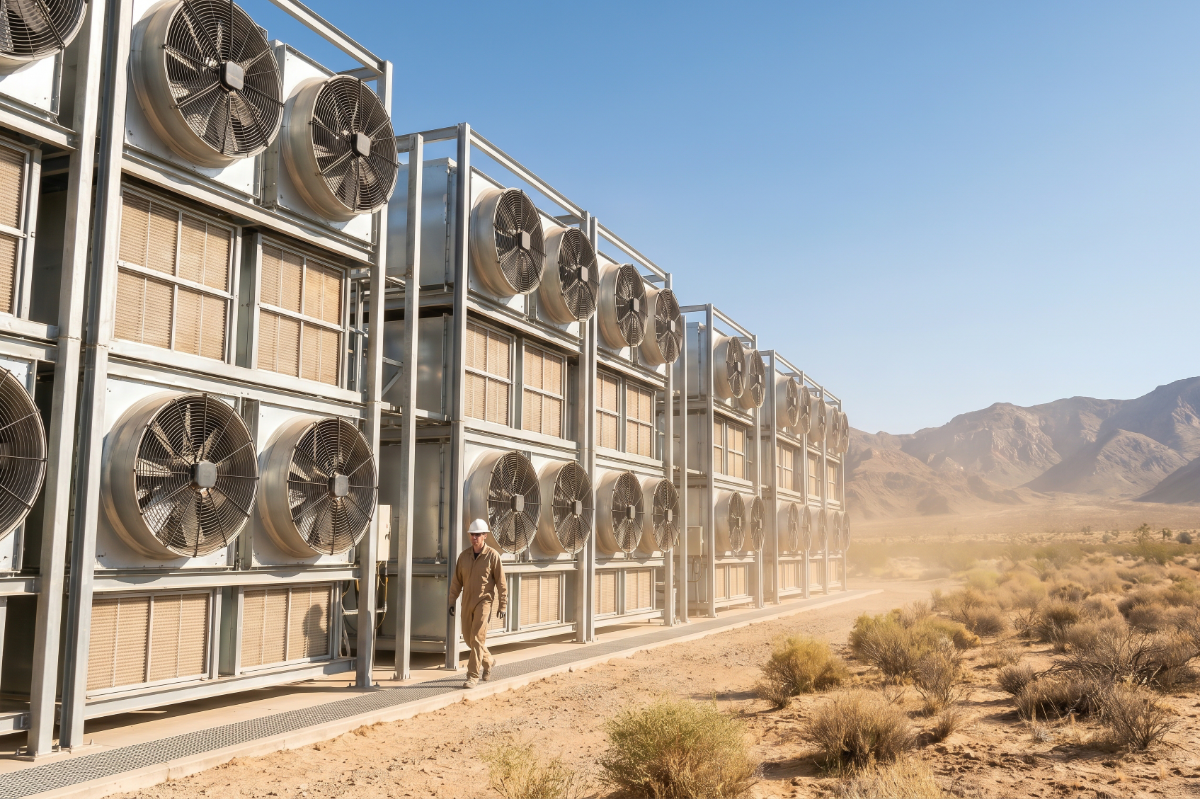

This article, published in Economic Affairs, the journal of the Institute of Economic Affairs, and written by NCEA Senior Fellow Jonathan Lesser, examines whether direct air capture (DAC) of carbon dioxide can meaningfully reduce atmospheric CO₂ at scale.
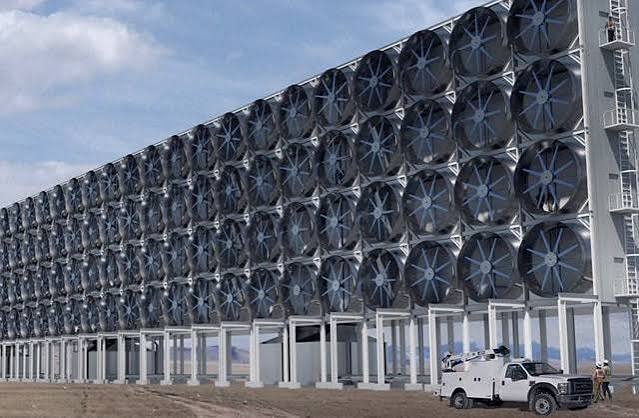
Governments in the United States, Canada, Japan, the United Kingdom, and across Europe subsidize DAC. Many analysts argue the technology will be needed alongside other policies to reach net zero. Lesser challenges that view. He extends his earlier NCEA analysis of DAC in the United States to worldwide adoption, with particular attention to Britain and the European Union. CO₂ makes up just over 0.04 percent of the atmosphere, about 100 times less concentrated than in power plant exhaust. The laws of thermodynamics therefore set a hard floor on the energy needed to pull it from ambient air, and no technological breakthrough can engineer that floor away.
Read the full article at Economic Affairs
Key findings include:
- A perfectly efficient DAC facility would still need about 233 kWh of energy per tonne of CO₂ captured and compressed. Published estimates for real-world systems average roughly 1,890 kWh per tonne.
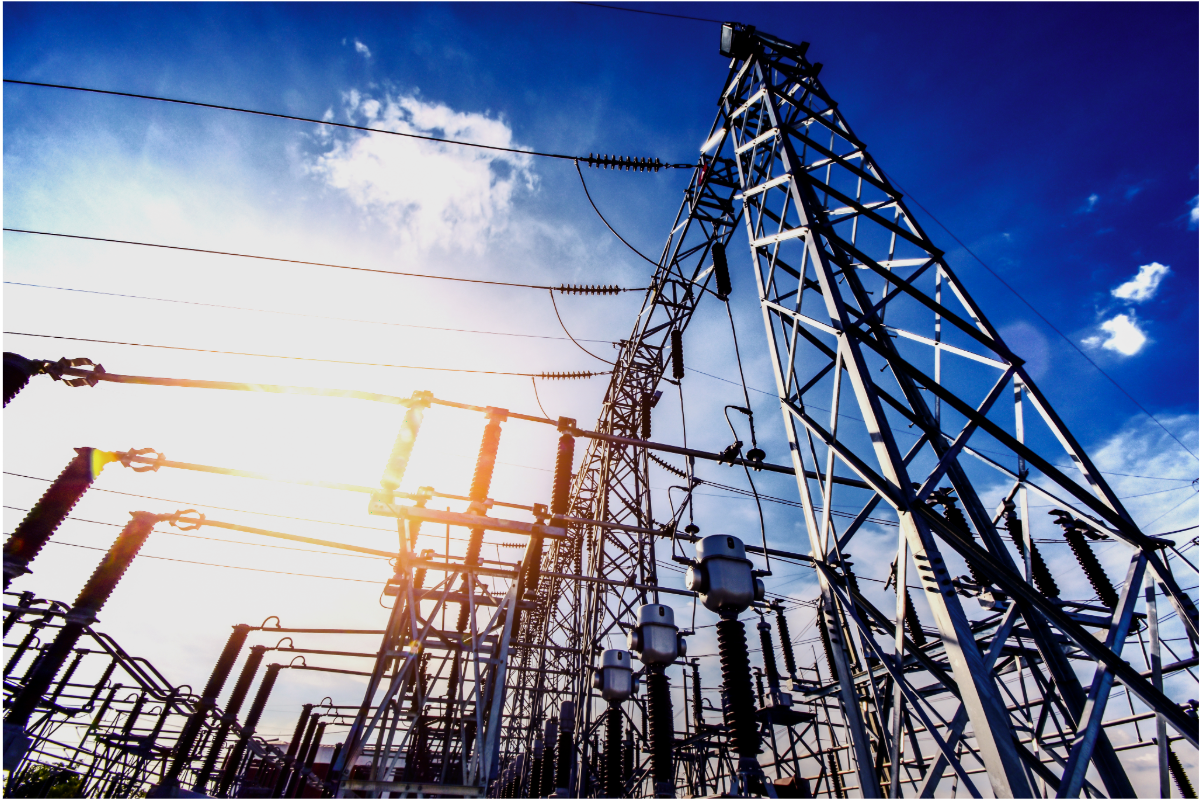
- Climeworks claims 1,000 kWh per tonne for its newest technology, a figure not yet independently verified. Even at that rate, removing one billion tonnes of CO₂ a year would require 1,000 TWh of electricity, more than three times Great Britain’s total generation in 2025.
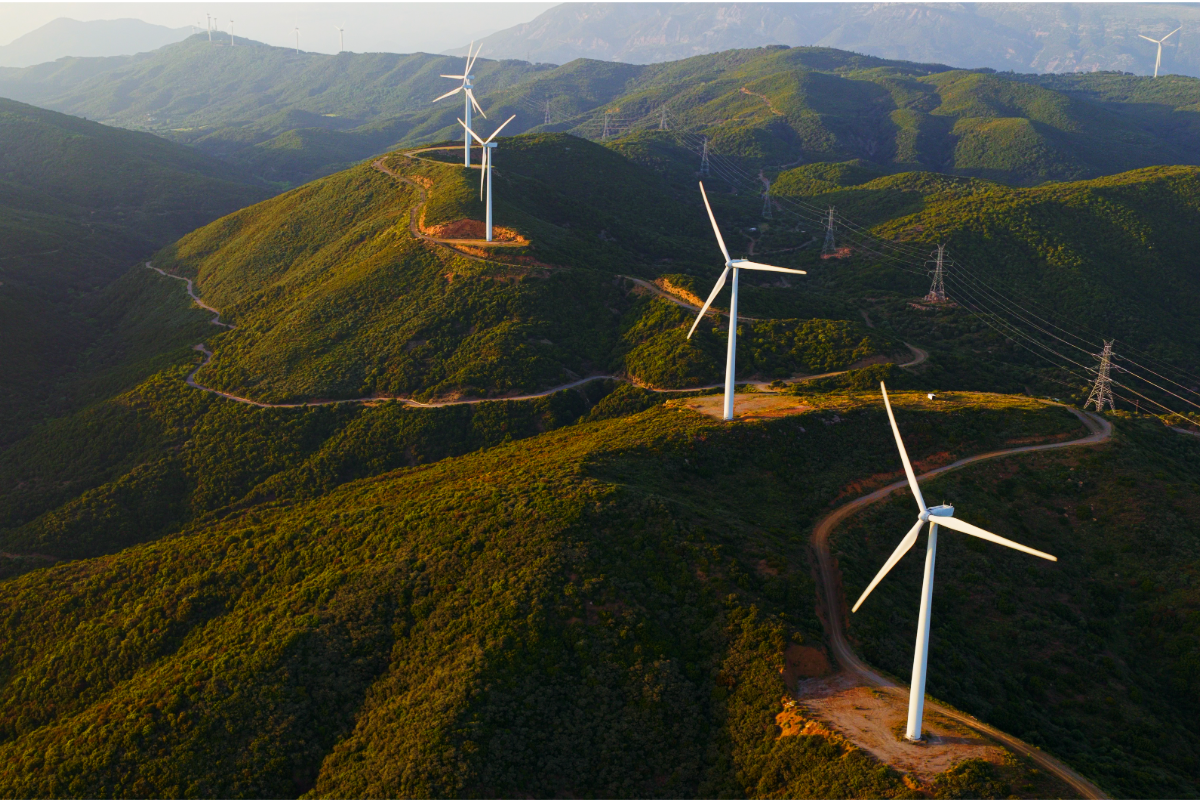
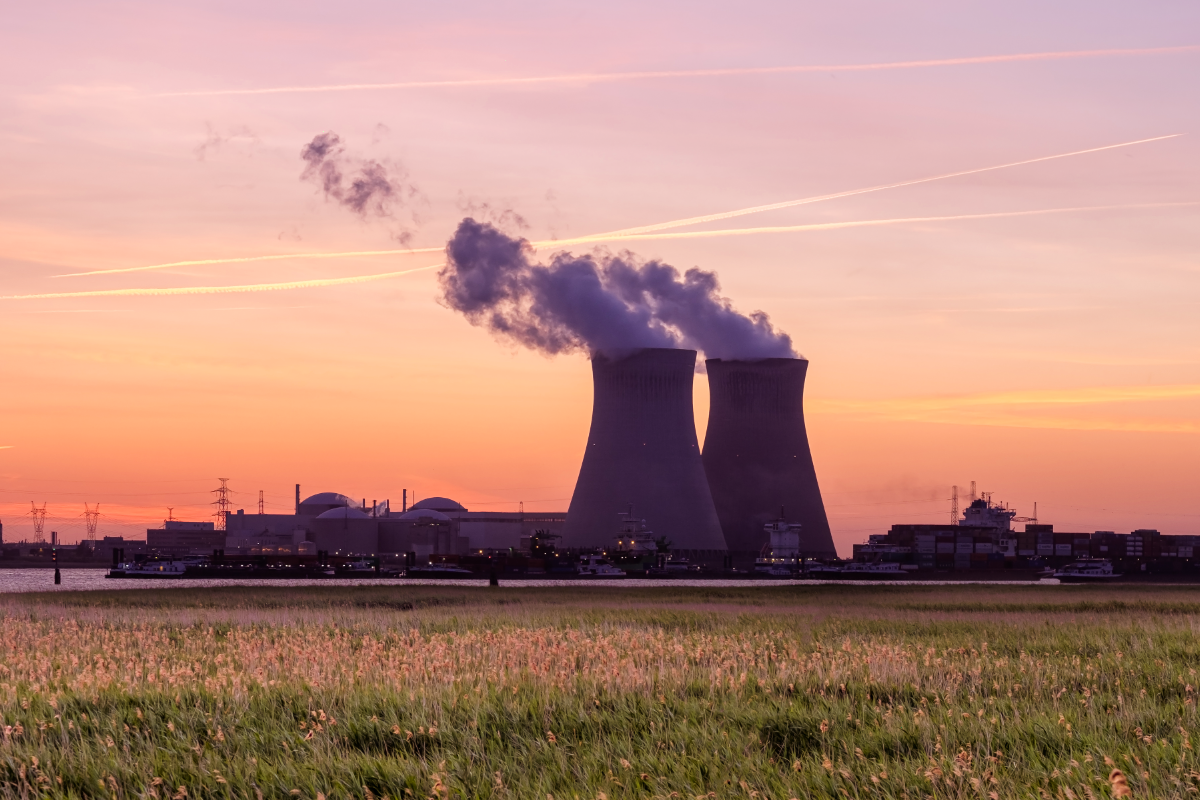
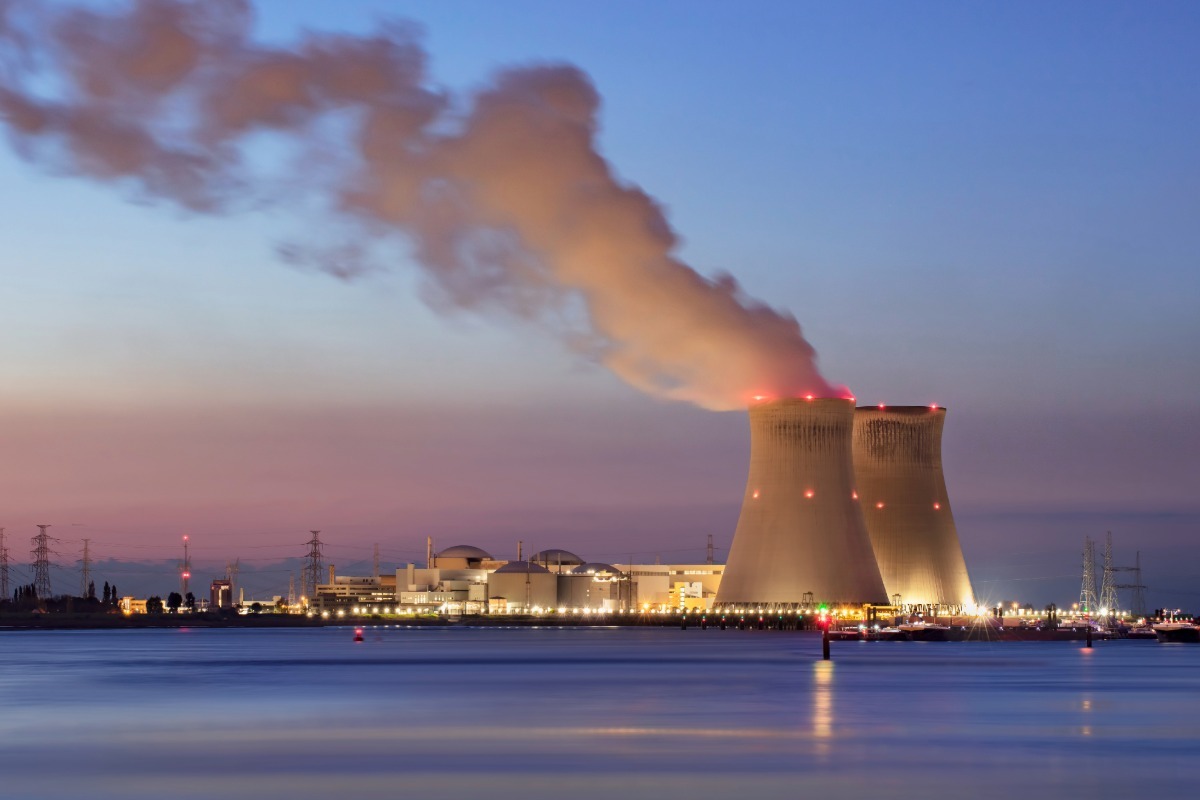
- Removing 10 billion tonnes annually would consume about one-third of current world electricity output. Supplying that would take roughly 1,300 GW of new nuclear capacity, costing about $6.5 trillion even at optimistic construction costs, or about 3,500 GW of offshore wind at about $13 trillion. Either figure comes before the storage needed to keep DAC running around the clock.
- DAC only makes sense on zero-emissions power. Running it on coal-fired electricity would likely increase net CO₂ emissions.
- The $1.3 billion Stratos facility in Texas implies capital costs alone of about $264 per tonne. Total cost estimates for large-scale DAC exceed the $185 per tonne median estimate of the social cost of carbon.
The article concludes that large-scale DAC is neither physically nor economically viable, even combined with other mitigation approaches. Governments should reconsider DAC subsidies and focus on the most cost-effective strategies for addressing climate risks, including adaptation.
Read the full article at Economic Affairs