Natural Gas Is Leading the Post-Hormuz Investment Shift


The world will spend $3.4 trillion on energy this year. Where that money goes says more about energy security than any forecast.
Wars reveal what energy systems actually depend on. More than 80 Middle Eastern energy facilities and over 25 tankers have been damaged since fighting over the Strait of Hormuz began, with repair bills likely to run into the tens of billions. Exporters are using and expanding routes around the strait, and importers are rethinking how exposed they want to be. In Energy Investment and the Iran War, NCEA Senior Fellow Neil Atkinson uses data from the International Energy Agency’s World Energy Investment 2026 to ask a practical question: where will capital flow now?
The headline number is large. The IEA expects global energy investment to reach $3.4 trillion in 2026, up about 5%, with renewables, nuclear, grids, and efficiency accounting for two-thirds. But the details tell a more revealing story. Here are five of them.
1. Natural Gas Is the Growth Story
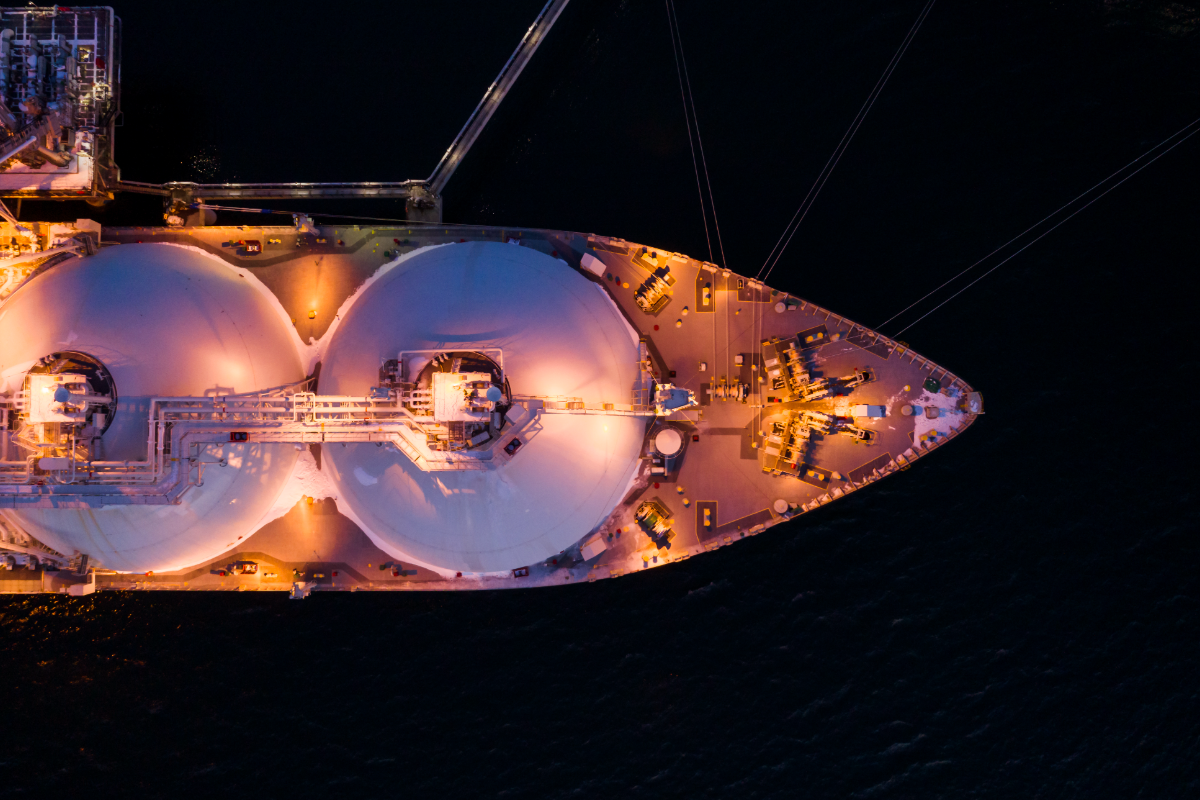
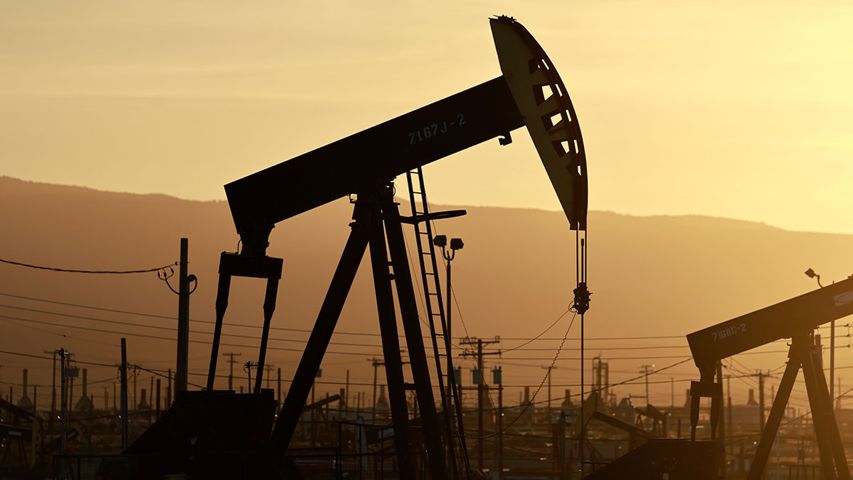
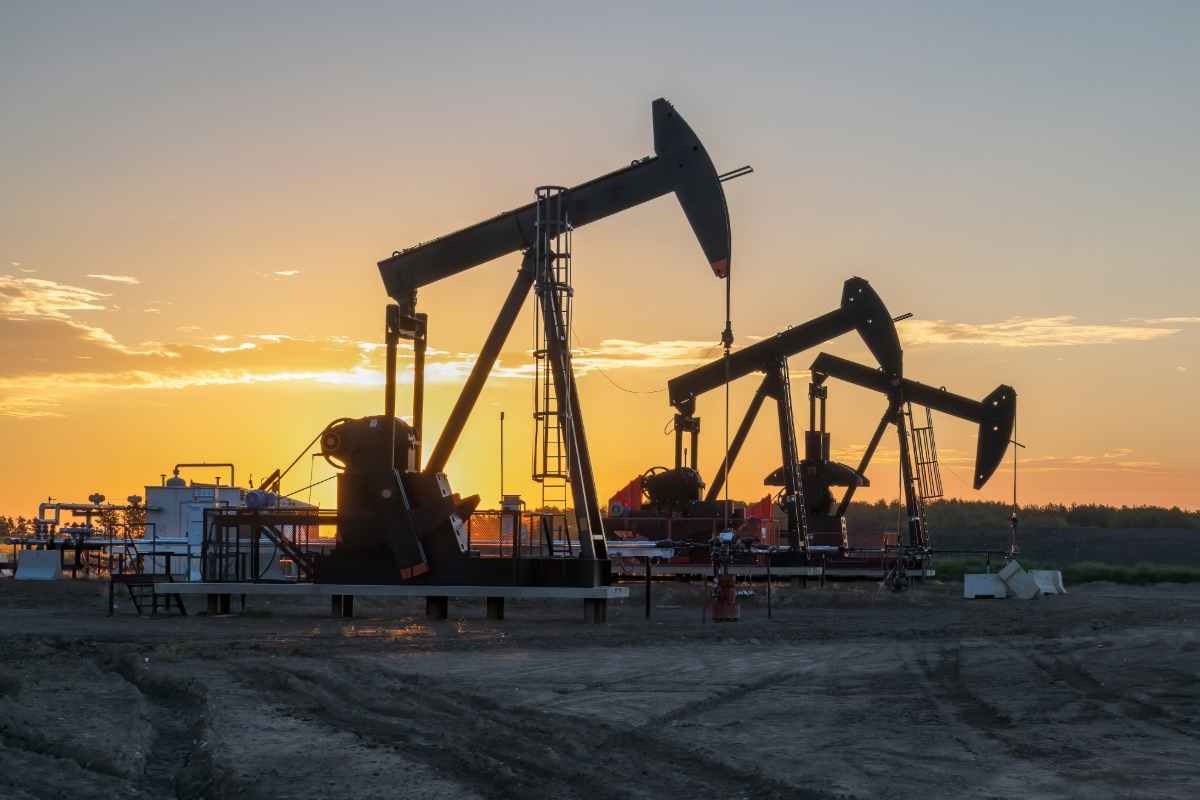
Fossil fuel investment will top $1 trillion this year, and natural gas is the main source of growth. Gas spending is set to rise more than 10% to about $330 billion, the highest in a decade. More than 100 billion cubic meters of new LNG export capacity was approved in 2025, and nearly 90% of it is in the United States.
The war has shown why that capacity matters. Qatar, the world’s second-largest LNG exporter, sends 82% of its exports to Asia. Damage to its Ras Laffan complex has delayed the expected easing of LNG markets and dented Qatar’s reputation as a dependable supplier.
Coal, too, is back. Investment is expected to hit $180 billion, the highest since 2012, with China supplying nearly 70% of it. For understandable reasons of security, the war is likely to encourage Asian countries to keep coal plants running longer than planned.
2. Oil Prices Stayed Lower Than Feared, for a Reason
When the war began, many analysts expected record oil prices. The price of physical Brent barrels did spike to $144 in April, but futures markets stayed calmer. Traders assumed the conflict was too costly to last and that supply would soon recover. Successive ceasefires have come and gone without that outcome.
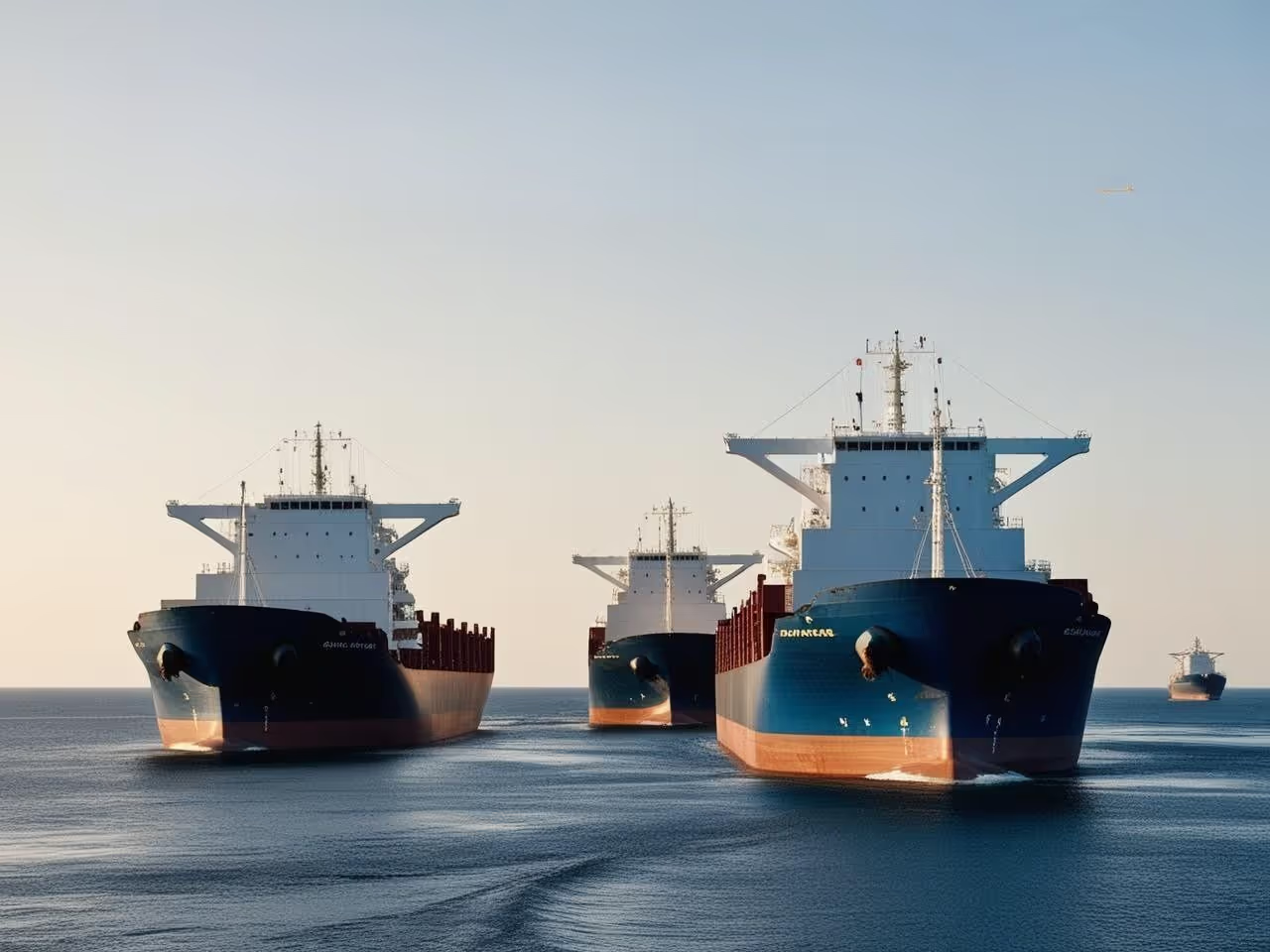
The disruption has been enormous. Crude and condensate flows from countries inside the strait averaged 15.6 million barrels per day in 2025; from the start of the war to the June memorandum of understanding, those countries shipped only 3.9 million barrels per day through it. Part of the gap was filled by strategic stock releases, exports rerouted to Red Sea and Gulf of Oman ports, and producers elsewhere. Chief among those was the United States, whose crude and product exports hit an all-time high of 13.6 million barrels per day in late May.
Japan illustrates the shift. Before the war, the Middle East supplied about 95% of its crude imports. By July, the United States was supplying more than one-third, up from about 5%.
3. Not Every Disruption Is About Oil
The strait carries more than oil and gas. About 24% of seaborne ammonia and roughly a third of urea and finished fertilizers pass through it. The Persian Gulf region supplies 72% of Australia’s urea, 80% of India’s ammonia, and 20% of America’s phosphate fertilizers. The war’s effects reach well beyond the pump. The OECD projects global growth slowing from 3.4% in 2025 to 2.8% in 2026. If the energy disruptions last well into 2027, it expects growth of just 2.1% this year and 1.8% next year.
4. The Transition Runs Into Minerals
High fuel prices have revived calls to speed up the energy transition, and electric vehicle sales have jumped in many markets. But some of that surge looks like buyers reacting to price spikes. In the United Kingdom, gasoline rose from about $6.71 to $8.34 a gallon by mid-April. That’s a strong push, but not necessarily a lasting one.
The bigger constraint is upstream. Capital spending by large mining companies fell about 9% in 2025, and lithium investment dropped roughly 40%. China’s average share of the refining market tops 70% for 19 of 20 key energy minerals. And fossil fuels still supplied 86.2% of global energy in 2025. Any serious acceleration plan has to start by recognizing that.
5. Security Is Back at the Center
Perhaps the most telling change is at the IEA itself. In 2021, the agency promoted a net-zero pathway with no new oil and gas projects. This July, its executive director urged the European Union to reconsider its moratorium on Arctic drilling for the sake of energy security.
That shift matters because upstream oil and gas investment has been low for years. The IEA puts 2026 spending at $546 billion, only 64% of the 2015 level. Strategic stocks drawn down this year will need refilling, and countries such as India and South Africa are planning new or larger reserves. Middle Eastern producers, meanwhile, will want to restore output quickly to protect their revenue and market share, especially now that the UAE has left OPEC.
The Bottom Line
Investment in nonfossil energy will rise as importers try to reduce their reliance on the Gulf. But spare capacity built for security is expensive, and the world’s dependence on oil and gas will last for decades. The lesson of this war is not that fossil fuel investment should shrink. It is that it needs to grow, and in more places, so that one narrow waterway can’t hold the global economy hostage again.