From 99% to 76%: How America's Grid Lost Its Reliability Cushion

The nation’s reliability regulator has issued only its third-ever top-level alert. The reason: demand is outrunning the grid built to serve it.
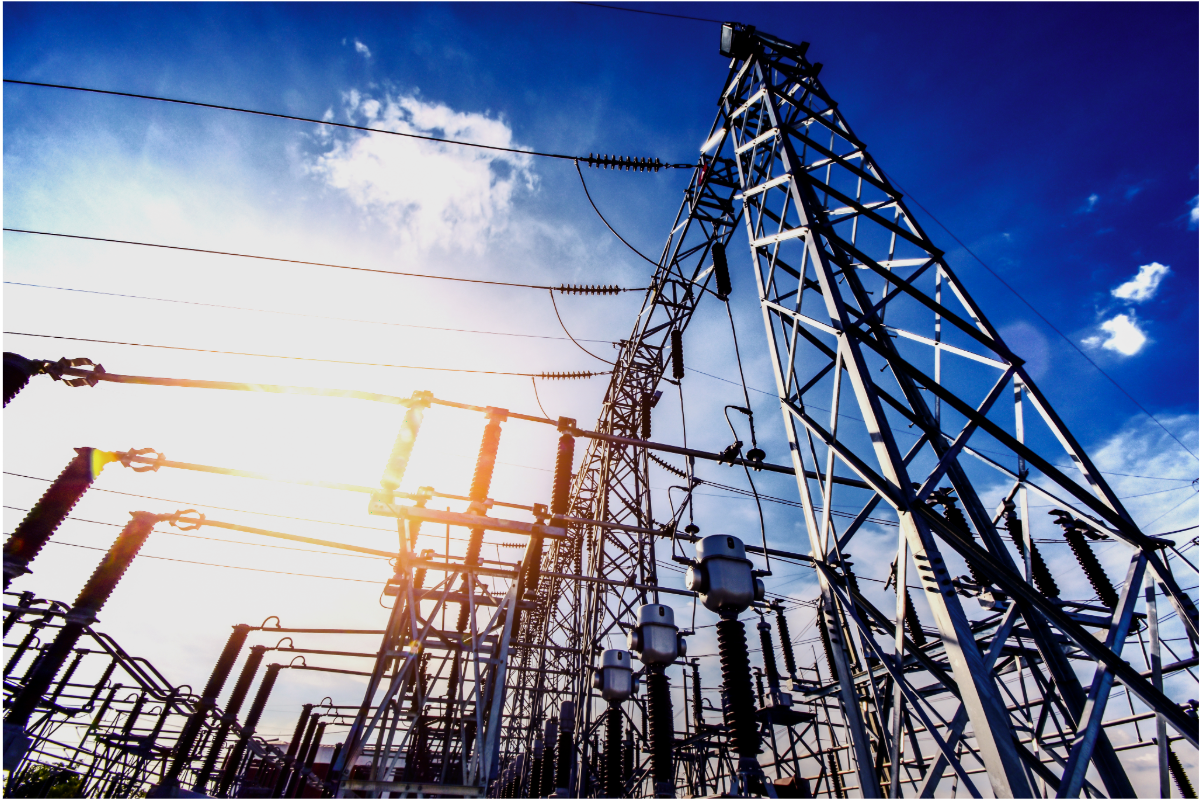
On July 22, 2026, a transmission line outage near a cluster of data centers in northern Virginia set off a wide-area voltage and frequency disturbance on the PJM system, and 3 gigawatts of data center load abruptly separated from the grid. Operators needed 10 minutes of emergency action to restore stability. That same summer, during a heat wave, the Department of Energy issued two emergency orders: one waiving power plant pollution limits, and another authorizing PJM to curtail loads of 50 megawatts or more, mostly large data centers, in the Washington, DC area to preserve reliability.
These events are not isolated. In Reliability in the Crosshairs, NCEA’s Thomas Burgess explains why the North American Electric Reliability Corporation (NERC) issued a rare Level 3 Alert in May, and why the steps it requires, while useful, won’t close the gap on their own.
What “Reliable” Actually Means
Reliability is more than having enough power plants. Electricity must be generated and delivered continuously, at the instant it’s needed, to every user, in every kind of weather, even when equipment fails. Operators must also hold voltage, current, frequency, and other technical values within narrow bands, or components can be damaged.
The grid manages this partly through rotational inertia: the momentum stored in the massive spinning turbines of conventional power plants. That momentum helps the system withstand disturbances that unfold at the speed of electricity. Engineering like this is why the U.S. grid has been called one of the great engineering achievements in history.
The Shrinking Safety Margin
In 2000, about 99% of U.S. generating capacity was dispatchable, meaning operators could call on it whenever they needed it. By 2025, that share had fallen to about 76%. Natural gas grew from about 16% of the mix to about 40%, but wind and solar grew too, while mostly coal and some nuclear plants retired.
The brief identifies three consequences of that shift. First, intermittent capacity has to be discounted, because it may not be producing when demand peaks. Second, wind and solar connect through power electronics called inverters, which don’t supply rotational inertia the way spinning generators do and introduce additional reliability challenges. Third, wind and solar farms need large areas of land or sea far from where power is used, which means far more long-distance transmission.
Now layer on the demand side. Individual AI data centers can draw anywhere from tens of megawatts to, in exceptional cases, more than a gigawatt, and they are arriving alongside reshored factories and electrified transportation. NERC found earlier this year that resource adequacy across North America is worsening, and reliability has already been compromised in more than half of the nation’s regions.
What the Alert Does, and What It Can’t
NERC issues Level 3 Alerts only for the most serious risks, and this is just the third one ever. It follows a Level 2 Alert in September 2025, which revealed that utilities lacked adequate processes for integrating large computational loads. The new alert directs grid operators and transmission owners to take a set of Essential Actions, including:
Collecting modeling data and revising studies for large loads
Establishing commissioning processes for new data centers
Installing dynamic fault recorders to capture how these facilities behave during disturbances
Setting up direct communication and joint operating procedures with data center operators
Those are sensible steps. But the brief points to real limits. Every obligation falls on utilities, while much of the work depends on voluntary cooperation from private data center developers. Neither NERC nor federal regulators can order a power plant or transmission line to be built. The alert does not resolve who pays for the infrastructure large loads require. And many responses are scheduled for 2028 or later, a timeline that hardly matches the word emergency.
Why Quick Fixes Fall Short
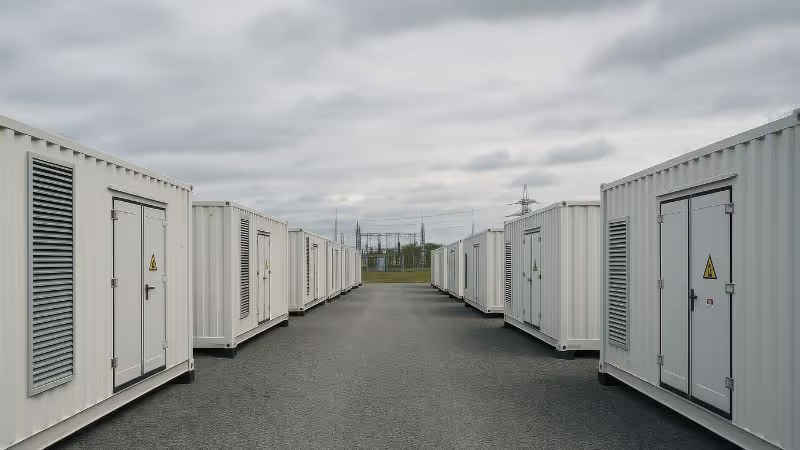
There is no single lever to pull. More dispatchable generation is the most direct answer, but approvals take years. Batteries can help smooth wind and solar output, but their short duration and the sheer number required limit their contribution to bulk reliability. New transmission would help, yet permitting and environmental review slow it down.
Demand flexibility can buy time, and AI training facilities and some inference centers can adjust their usage. But many data centers need near-perfect reliability to function, and local demand response doesn’t always relieve stress on the wider grid.
What Needs to Happen
The brief calls for sustained, coordinated action over several years. Its priorities include putting the essential reliability components of supply in place, requiring large data centers to include generation in their integration proposals, clearing approval backlogs so infrastructure can keep pace with data center construction, and, as an interim step, restarting recently retired plants to serve co-located facilities. Private data center grids could also relieve near-term pressure on the shared system.
Federal regulators have signaled impatience. At a July technical conference on PJM reforms, the FERC chair warned that the commission would intervene if PJM and its stakeholders couldn’t reach a resolution. That urgency is warranted. For two decades, policy treated reliability as a given. The grid is now reminding everyone that it never was.