It Would Take Nearly Every Utility-Scale Battery on Earth to Power Germany for 12 Hours
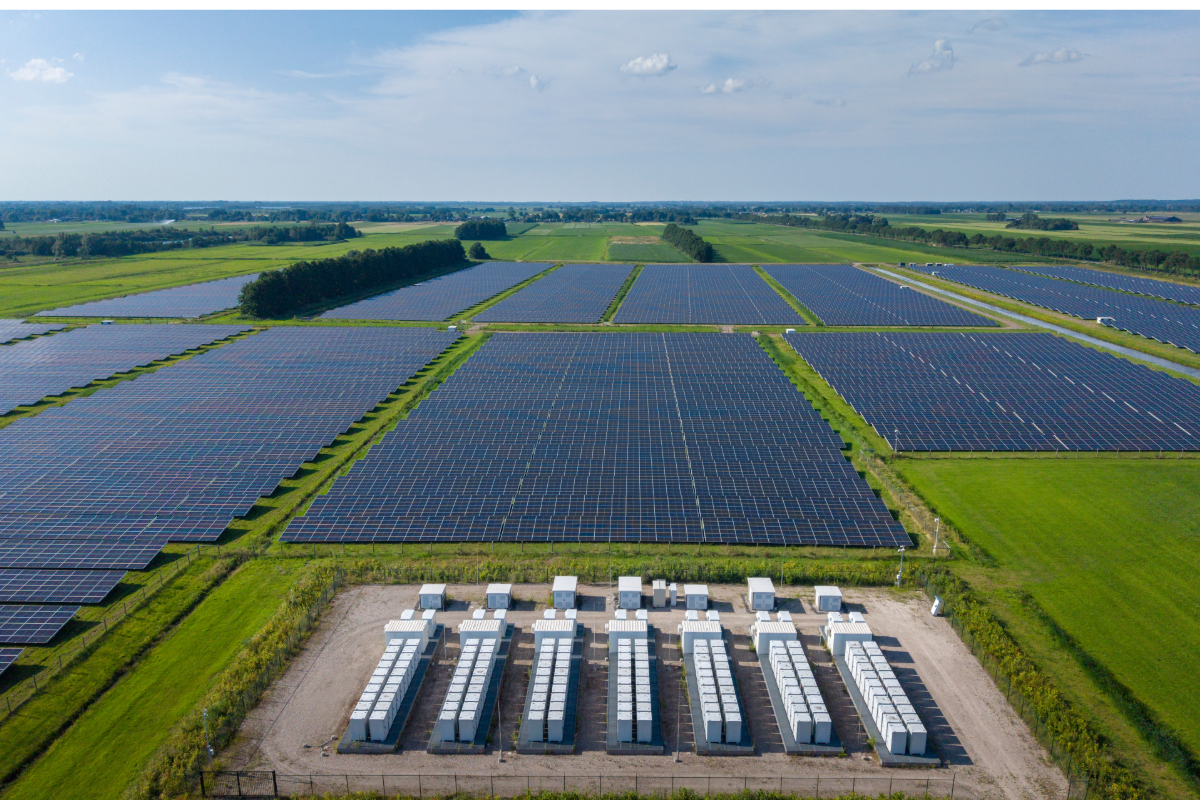

A new international report says wind, solar, and batteries can supply round-the-clock electricity. The storage math, the weather, and the physics of the grid tell a different story.
In May 2026, the International Renewable Energy Agency published a report claiming that battery storage can reliably and cost-effectively provide round-the-clock electricity from wind or solar in favorable resource conditions. If that were true, it would reshape how countries build power systems and where trillions of dollars of capital go.
In Can Batteries Help Wind and Solar Provide Continuous Electricity Year-Round?, NCEA Visiting Fellow Lars Schernikau puts that claim to the test. His conclusion: batteries can help cover the gaps in wind and solar output, but only for a limited time. Asking them to do more requires an entire system of additional infrastructure that most cost comparisons never count.
A Year of Megawatt-Hours Isn’t Reliability
The first problem is a matter of definition. Generating enough electricity over a year is fundamentally different from supplying it at the specific moment, place, and form that hospitals, factories, airports, and data centers need it. Annual generation figures measure output over time. Reliability is the ability to meet demand whenever it arises. Electricity, as Schernikau puts it, is a continuous service, not a product bought only at certain hours.
When the Wind and Sun Fail Together
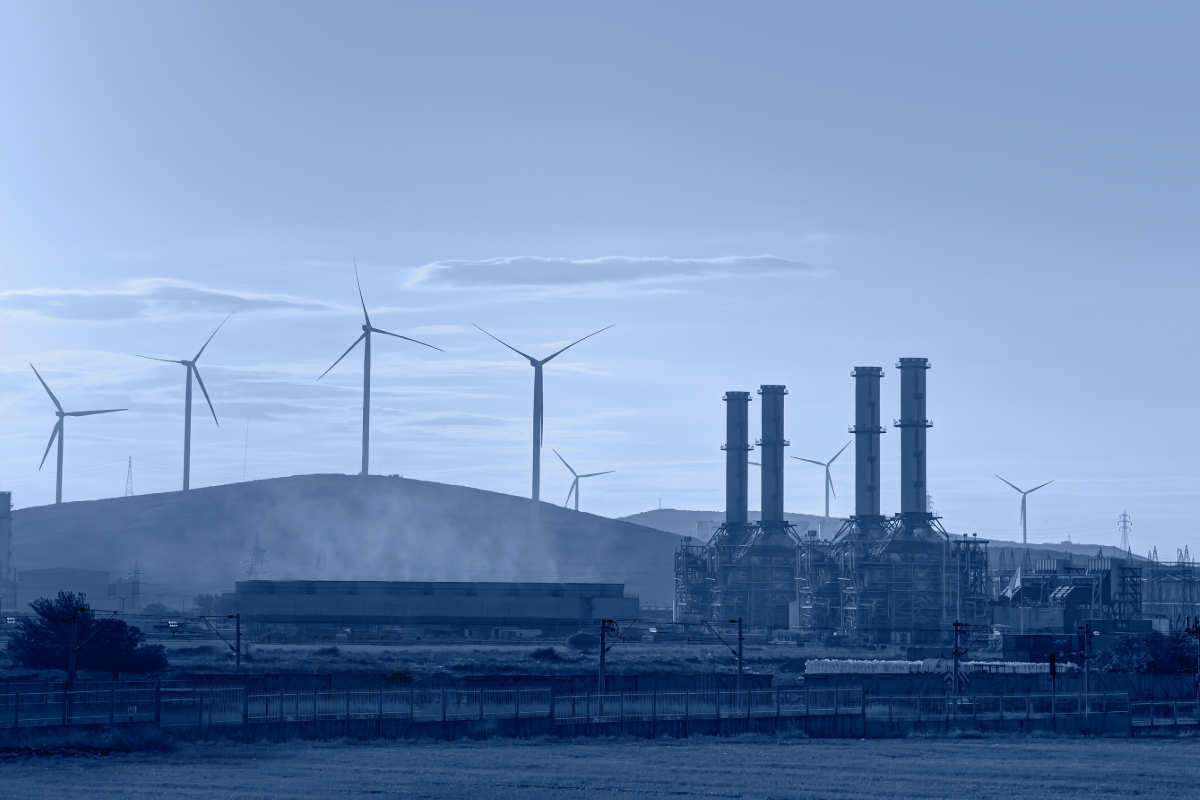
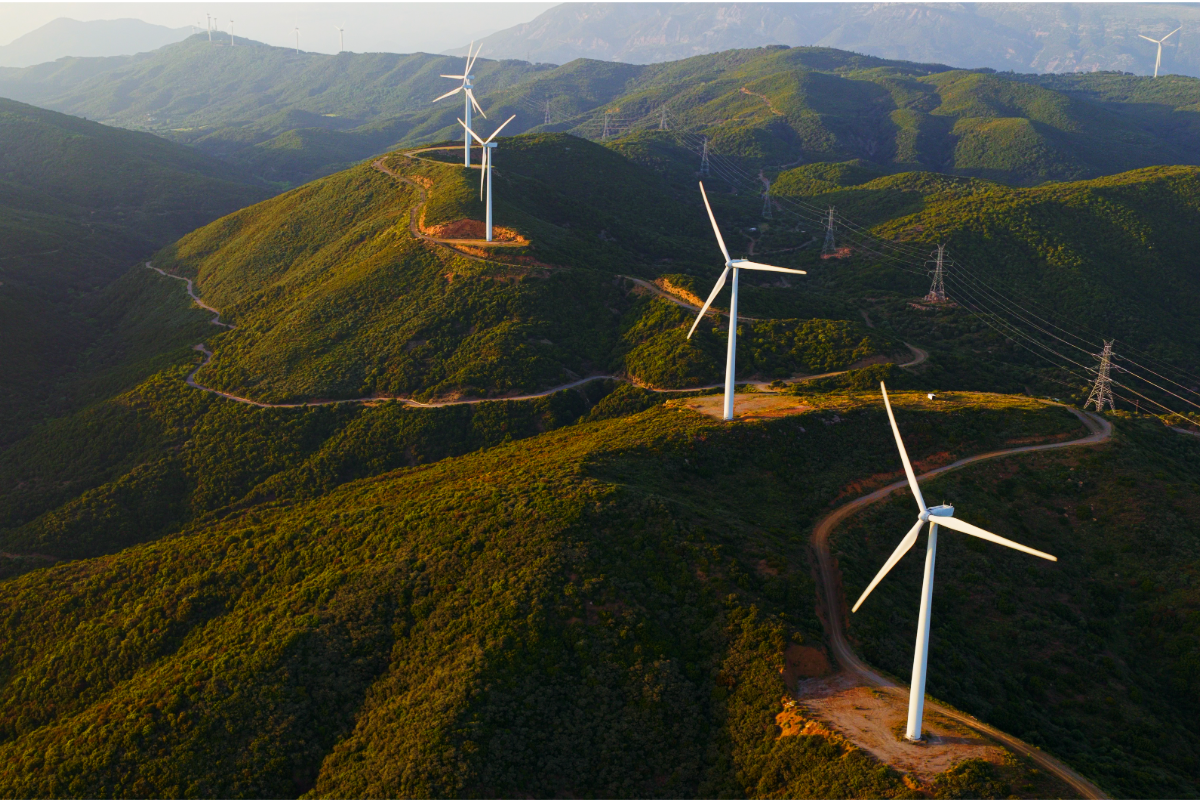
Wind and solar output depends entirely on the weather, and no amount of demand can raise it. Combining the two helps, but there are still stretches when both produce very little at the same time. Germans call these periods Dunkelflauten, and they can last hours, days, or considerably longer. These are exactly the gaps batteries are expected to fill.
The Scale Problem
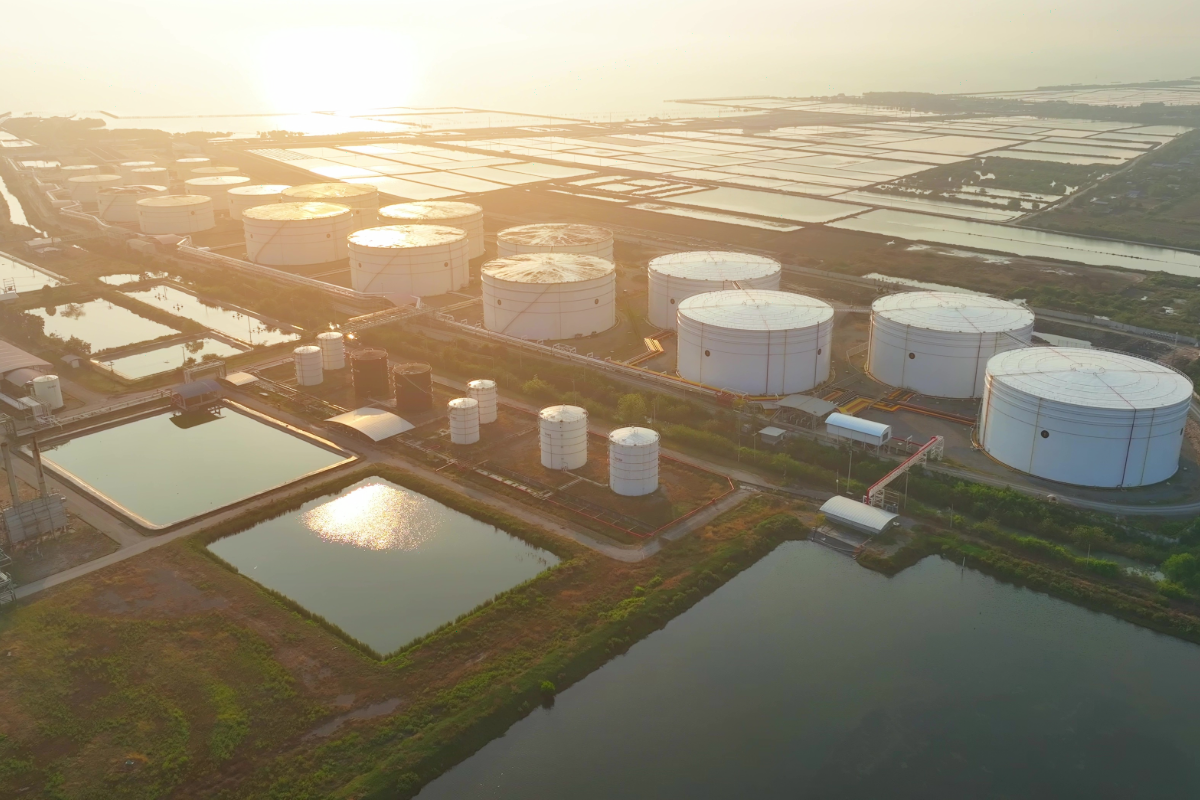
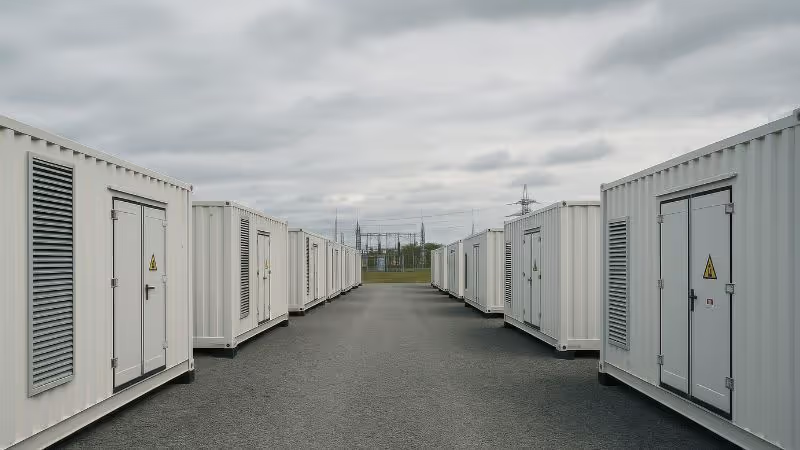
Germany shows how large those gaps are. The country’s average electricity demand is about 60 gigawatts, and peak demand tops 80 gigawatts. Covering just 12 hours at average demand would take roughly 700 gigawatt-hours of batteries, about as much as all the utility-scale battery storage installed worldwide entering 2026. That is the entire global fleet, for one country, for half a day.
Then there is the recharging problem. Batteries shift electricity; they don’t create it. During a Dunkelflaute, whatever little wind and solar power is generated goes straight to the grid, leaving nothing to refill the batteries. And because 20% to 30% of stored electricity is lost in charging and discharging, a surplus must be generated before the shortfall ever begins. Over a long enough lull, the batteries simply run down.
What the Cost Comparisons Leave Out
Wind, solar, and batteries are usually priced using the levelized cost of electricity, which measures the cost of generating power while a plant runs. That metric ignores the overbuilding needed to make up for low output, charge storage, and cover transmission losses. Without storage, meeting peak demand during the lowest-output hours would require wind and solar capacity tens to hundreds of times that demand. Germany has already built wind and solar capacity equal to about three times its peak demand, and it still cannot cover demand during Dunkelflauten.
Batteries also carry costs that start long before they reach the grid, from mining and refining raw materials through cell production and system assembly. Each stage consumes energy and materials that rarely appear in the comparisons.
The Grid Needs Strength, Not Just Energy
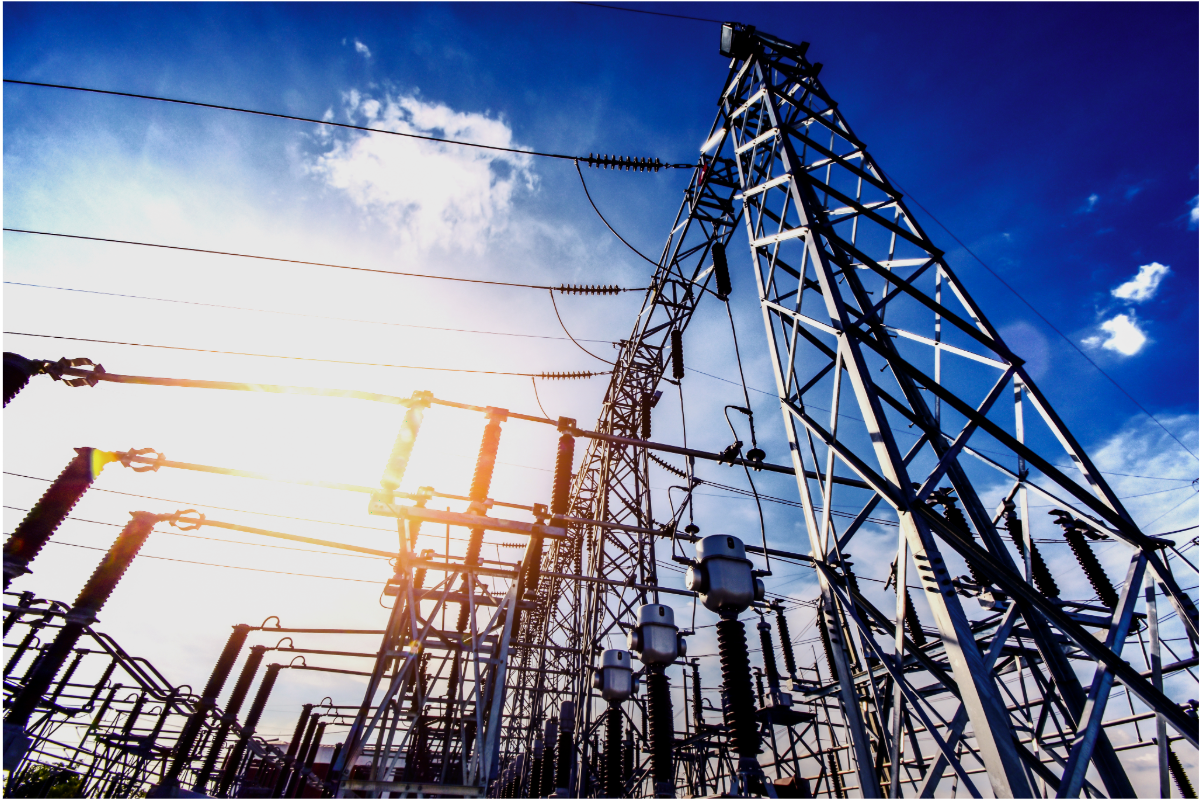
Even with enough stored energy, a grid needs more than kilowatt-hours. It must maintain stable voltage, frequency, phase, and current, along with the system strength to ride through disturbances. Engineers measure that strength in part through short-circuit levels: grids with large thermal generators typically run at 20 to 40 gigavolt-amperes, while grids with high wind and solar shares can fall below 5.
Large, heavy, synchronously rotating generators provide these qualities by their nature. Wind turbines and solar panels cannot without additional equipment, all of which adds cost. Schernikau argues that power quality declines as wind and solar shares rise, and he points to the blackouts in Spain in April 2025 and Sri Lanka in October 2026 as illustrations of what high levels of nonsynchronous solar can do to reliability.
The Full Bill
Replacing a single coal, gas, or nuclear plant with wind and solar, the brief explains, requires five systems working together:
- A vast overbuild of wind and solar capacity to compensate for low output and charge storage
- Short-duration batteries to smooth fluctuations and balance the grid
- Long-duration storage, possibly hydrogen, to bridge days or weeks of low output
- Backup thermal plants on standby; Germany expects to need 22.5 to 35.5 gigawatts of gas capacity by 2035
- A far larger and more complex transmission network
Each of these systems sits idle much of the time, and each adds cost, complexity, materials, and land.
Asking the Right Questions
Sunlight and wind are often described as free. But so are coal, gas, and uranium in the ground. Turning any natural resource into reliable, usable power always takes energy, materials, money, and ingenuity. Schernikau closes with questions every decision maker should be able to answer: Are they evaluating whole electricity systems or individual technologies? Do their plans account for the full engineering requirements of reliable power, and for the costs of overbuilding, storage, transmission, and backup? And which system delivers the greatest overall benefit to society, the economy, and the environment?
Sensible energy policy begins with asking the right questions.