How the West Swapped Energy Realism for Net Zero

In 2006, Western leaders called for more oil and gas investment. Within a decade, they had signed on to net zero. Europe’s security may now depend on how quickly it changes course.
Twenty years ago, the world’s leading economies agreed on something that sounds almost radical today. At the 2006 G8 summit in St. Petersburg, leaders adopted an energy action plan whose first sentence called energy essential to improving quality of life in developed and developing nations alike. The plan projected that global energy demand would rise more than 50% by 2030, with fossil fuels meeting about 80% of it, and called for trillions of dollars of investment across the entire energy chain. Climate change appeared only in the plan’s final section.
In Net Zero and the West’s Holiday from History, NCEA Senior Fellow Rupert Darwall traces how Western governments traveled from that position to net zero in less than a decade, and why the return of geopolitical rivalry with China and Russia has exposed the cost of the journey.
The Supply Boom Governments Didn’t Create
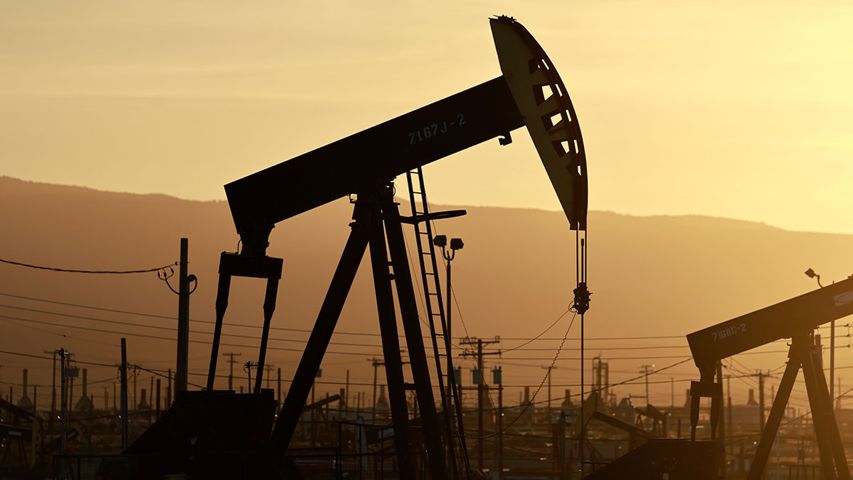
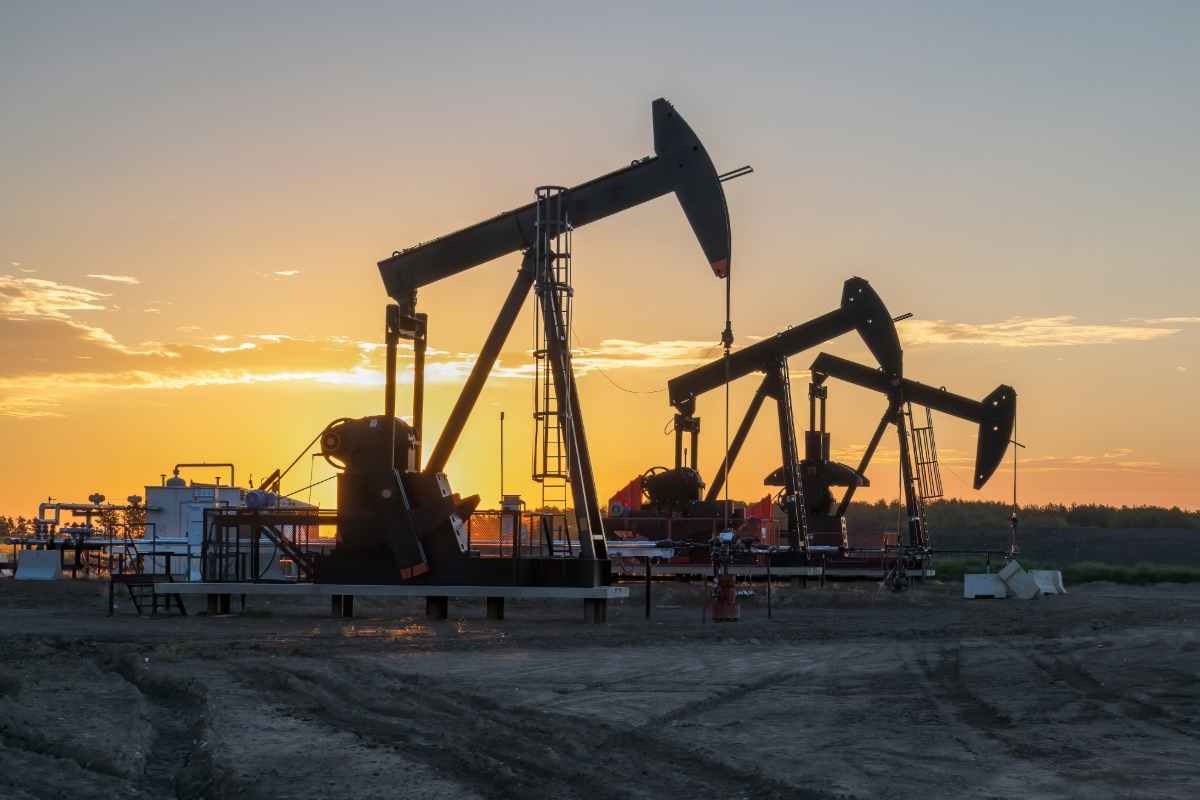
The G8’s call for more oil and gas came true, though not because of anything governments did. Between 2004 and 2015, the world saw the fastest and largest increase in energy supply ever recorded, driven by entrepreneurs in U.S. shale. The only comparable episode was the decade after Saudi Arabia opened its giant Ghawar field in 1951, and shale surpassed Ghawar’s growth by more than 50% in less time. In 10 years, U.S. shale fields added more production than Saudi Arabia’s entire oil and gas output.
A Crisis That Changed the Mindset
Then came the financial crisis. Darwall argues that its most lasting effect was on the mindset of Western elites. Monetary policy became the only game in town, and central bankers displaced entrepreneurs as the economy’s principal actors. Former Federal Reserve Chair Ben Bernanke’s memoir gives the shale revolution, by far the most important supply-side innovation of the era, a single sentence near the end.
Ultralow interest rates and repeated rounds of quantitative easing impaired the ability of capital markets to price risk. The rise of index funds let the three biggest providers pursue their own political agendas with little feedback, and ESG investing became a tool to throttle investment in oil and gas.
Climate policy filled the space. At the 2009 G8 summit in L’Aquila, Italy, the first after the crash, leaders tied economic recovery to fighting poverty and climate change. Yet climate change had played no role in causing the crisis, and climate policies tend to be regressive, because energy takes up a larger share of lower-income households’ budgets.
Copenhagen’s Failure and Paris’s Workaround
Later in 2009, the UN climate conference in Copenhagen was supposed to deliver a treaty with binding emissions targets. It collapsed under a veto from the Global South, led by China, India, South Africa, and Brazil. The West faced a choice: accept that there would be no global deal to cut emissions or find a way around the refusal. It chose the workaround.
U.S. climate envoy Todd Stern designed it. Instead of negotiated targets, each country would set its own, in what Darwall calls synchronized unilateralism. After 2012, a climate partnership between Washington and Beijing opened the path to the 2015 Paris Agreement. The practical result was to put Western nations on a legal hook for ever-steeper emissions cuts while the Global South remained exempt.
Where Net Zero Came From
Net zero itself came from an unexpected direction. Small island states, working closely with environmental NGOs, pushed for limiting warming to 1.5 degrees Celsius. Net zero by 2050 was the idea of Farhana Yamin, a British lawyer who had advised those states since 1995. When she first briefed Stern on it, she recalled, he laughed and told her she was crazy. No Western government entered the post-Copenhagen process expecting to end up committed to net zero. That they did is a testament to the reach of the activist groups behind it.
The UN’s climate science panel then pulled the timeline forward. Its special report on 1.5 degrees, requested at Paris, described the target as an opportunity for “intentional societal transformation.”
History Returns
Before the financial crisis, Western leaders understood the link between energy and geopolitics. Since then, Darwall writes, President Donald Trump has been the only Western leader to emphasize fossil fuels’ role in national security. His 2017 National Security Strategy reversed the prevailing view of climate change as a security threat and warned instead against an anti-growth energy agenda.
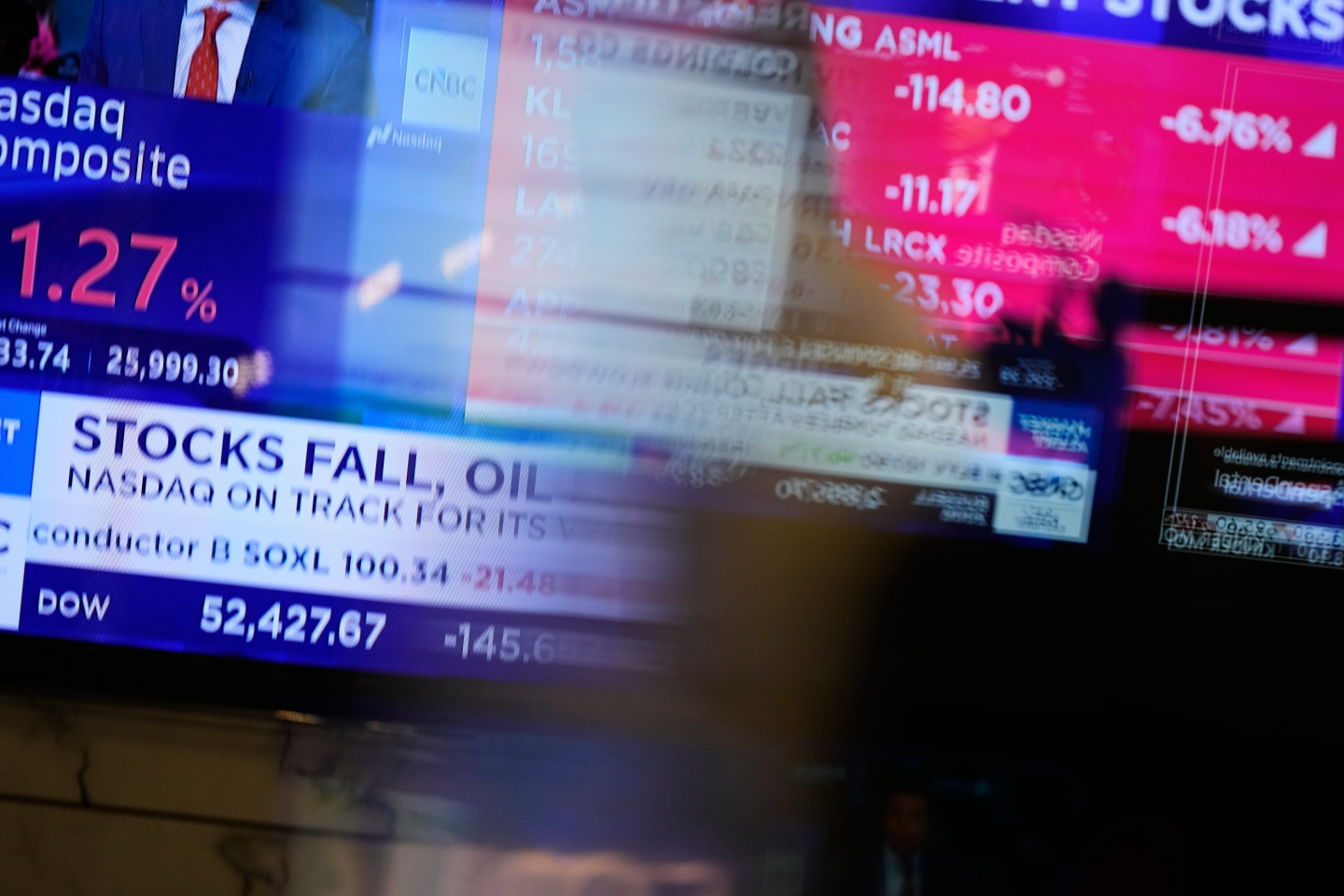
Events soon tested both views. The main purpose of the 2021 Glasgow climate conference was to push net zero into capital markets and restrict investment in oil and gas. At that very moment, Europe was entering its worst energy crisis in four decades, as Russia restricted gas supplies ahead of its invasion of Ukraine. European gas prices, just under $20 per megawatt-hour in early 2021, passed $150 by December. U.S. prices ended the year around $13. In 2022, energy was the S&P 500’s best-performing sector, up 59%, while BlackRock’s screened ESG fund lost 21.9%.
Two Paths
The United States has since stepped back. The 2024 election ended its commitment to net zero, perhaps definitively. It has withdrawn from the Paris Agreement a second time, and a January 2026 presidential memorandum declared continued participation in the UN climate convention and support for its science panel contrary to U.S. interests. If an AI revolution arrives, Darwall notes, fossil fuels will power most of it.
The European Union and the United Kingdom remain legally committed to net zero. At the same time, Washington is pressing its European allies to carry more of their own defense burden. Darwall argues they cannot do both: net zero, the most extreme form of climate policy yet devised, holds back the economic growth Europe needs to pay for its security. The West’s holiday from history is over. Europe’s energy policy has yet to catch up.